Belo Horizonte to Spend R$18.3 Million Rebuilding Lagoa do Nado Dam
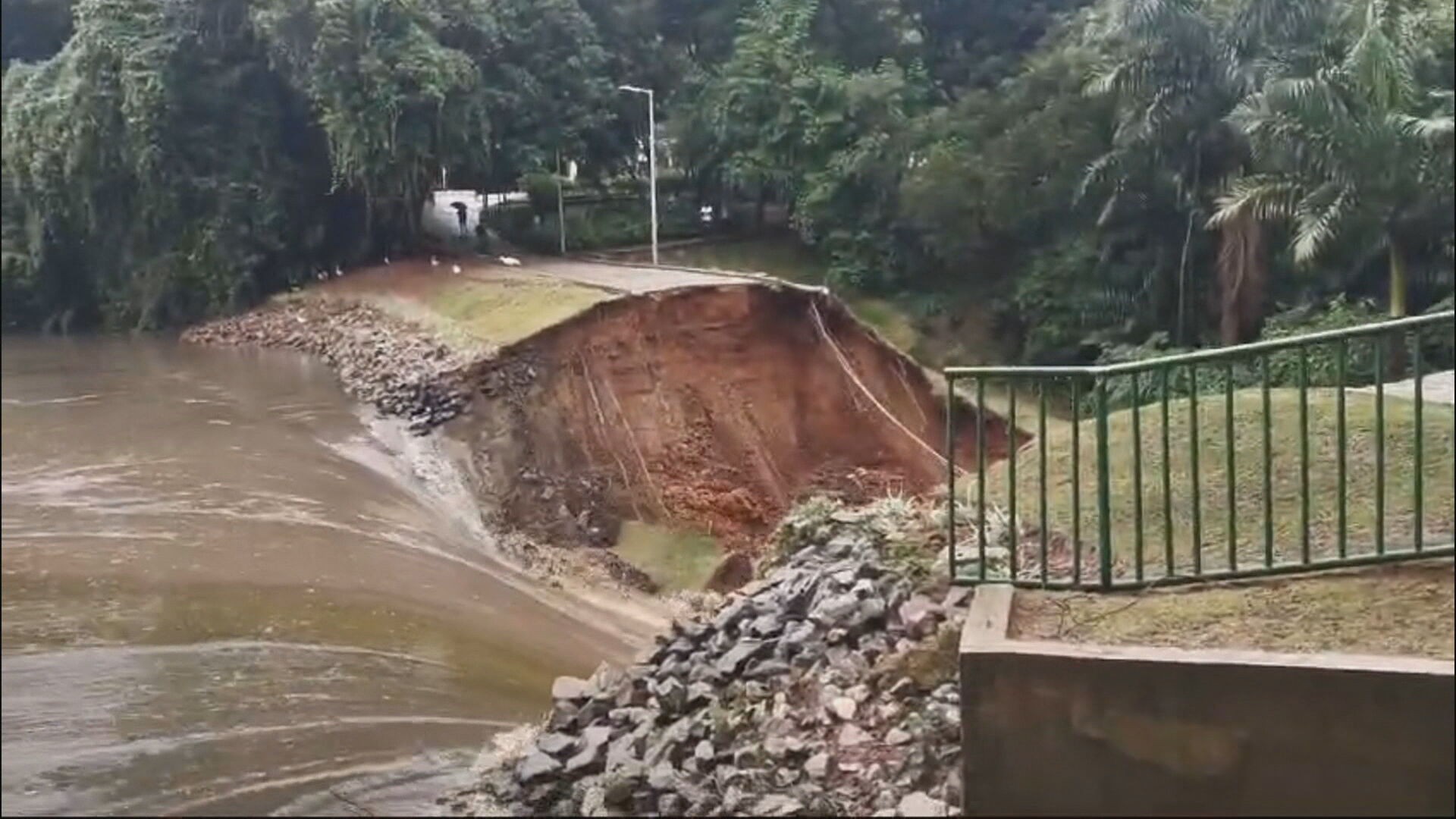
The Belo Horizonte City Hall has initiated a tender process for the reconstruction of the dam at the Fazenda Lagoa do Nado Municipal Park in the city's North Region. The dam originally broke in November 2024. The project is estimated to cost R$18.3 million, with a single company responsible for both the design and execution of the work. The winning bidder will have 540 days to complete the reconstruction after receiving authorization to begin. Proposals are due to be opened on October 29th of this year, followed by price evaluation, contractor qualification, and contract signing before work can commence. The reconstruction plan includes building a new gabion dam, a pedestrian and vehicle bridge, reurbanizing the affected area, and restoring the lagoon environment. Approximately R$3.8 million is allocated for design and R$14.6 million for the construction itself. Despite emergency containment measures taken in early 2025, the definitive reconstruction has faced significant delays, with previous timelines for tender publication repeatedly missed. The park partially reopened in December 2024, focusing on recreational areas, but sections, including the lagoon's vicinity, remain closed. Initially attributed to heavy rainfall, the cause of the dam's failure was later determined by a municipal inquiry in March 2025 to be human error, specifically the improper reinstallation of wooden 'stop logs' used to manage water levels. The park, established in 1994, has historical roots in a former farm owned by the family of ex-mayor Américo Renné Giannetti.
The tender for the Lagoa do Nado dam reconstruction highlights the complexities of municipal infrastructure management, particularly concerning environmental incidents and public works. The significant delays and evolving explanations for the dam's failure suggest potential systemic issues in project oversight, emergency response coordination, and communication protocols within the city's public works department. The shift from an 'act of God' explanation to one of human error underscores the importance of rigorous post-incident investigations and accountability frameworks. Looking ahead, the R$18.3 million investment in a gabion structure and environmental restoration presents an opportunity to implement resilient engineering practices and enhance the park's ecological value. Future infrastructure projects in Belo Horizonte, and indeed in urban areas globally, will need to integrate advanced risk assessment, proactive maintenance schedules, and transparent public communication to mitigate the impacts of extreme weather events and ensure the long-term safety and functionality of critical assets.
AI-generated to prompt reflection — not editorial opinion, not advice, not a statement of fact. How this works.