Benedito Ruy Barbosa: Brazilian Novelist Who Captured the Nation's Soul
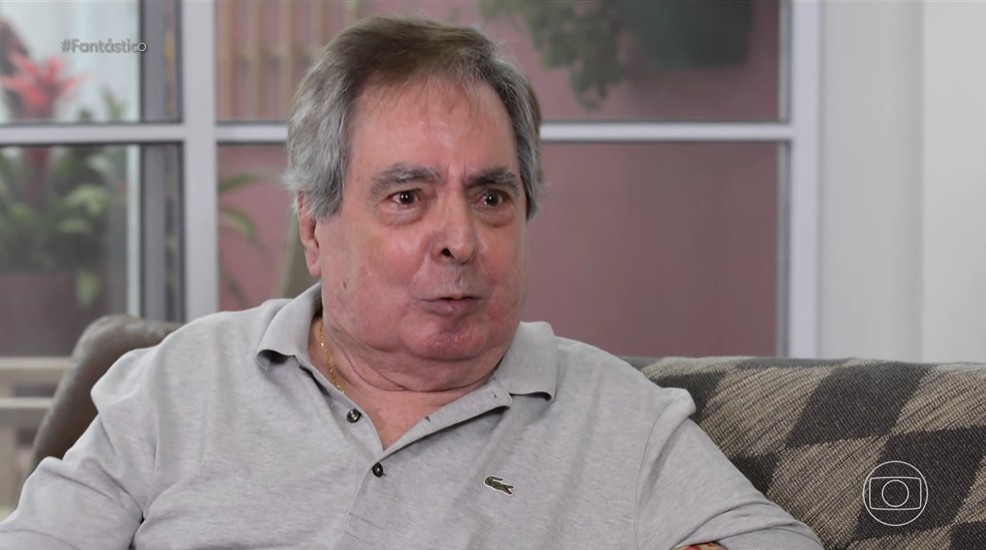
Benedito Ruy Barbosa, a celebrated Brazilian television novelist, profoundly shaped the nation's cultural landscape by bringing the "deep Brazil" to the screen. For decades, he transformed Brazil's interior into the backdrop for compelling narratives, infusing his works with regional accents and expressions. Nature itself often became a central character in his acclaimed telenovelas, including massive hits like "Pantanal," "Renascer," and "Terra Nostra." These series explored diverse regions, the impact of immigration on Brazilian culture, and characters deeply connected to the land.
According to his grandson and author Bruno Luperi, Barbosa's creative process was all-consuming. Luperi described his grandfather as an "astronaut" who fully immersed himself in the worlds he created, experiencing the emotions of his characters intensely. This deep connection to his craft inspired Luperi to follow in his footsteps, believing that genuine emotion makes a work authentic. Barbosa's personal life also heavily influenced his writing; he often shared childhood memories, particularly the profound grief from his father's death at age 12. Luperi believes this enduring absence directly inspired the character of Velho do Rio in "Pantanal," representing Barbosa's longing for his lost father.
Beyond his writing, Barbosa was known for his early assumption of family responsibilities after his father's death, moving to São Paulo to support his siblings and sacrificing his own studies. Before his successful career in television drama, he worked as a sports journalist. Actors like Ana Paula Arósio and Jackson Antunes credit Barbosa with significant professional and personal growth, highlighting his ability to teach about the human soul and transform lives. Luperi also revealed that Barbosa left behind a wealth of unpublished material, including novels, series, and plays, hinting at future potential releases.
Benedito Ruy Barbosa's enduring legacy in Brazilian television highlights the power of narrative to bridge cultural divides and foster national identity. His focus on regional authenticity and deep human emotion resonated widely, demonstrating a successful model for content creation that prioritizes cultural specificity over generic appeal. The narrative suggests that personal experiences, particularly loss and responsibility, served as potent wellsprings for creative output, underscoring a common pattern in artistic endeavors. Future content strategies might consider how to ethically and effectively tap into authentic lived experiences to create resonant stories, while also ensuring the sustainability of creative legacies through careful archival and development processes.
AI-generated to prompt reflection — not editorial opinion, not advice, not a statement of fact. How this works.