Benedito Ruy Barbosa, Celebrated Brazilian Telenovela Writer, Dies at 95
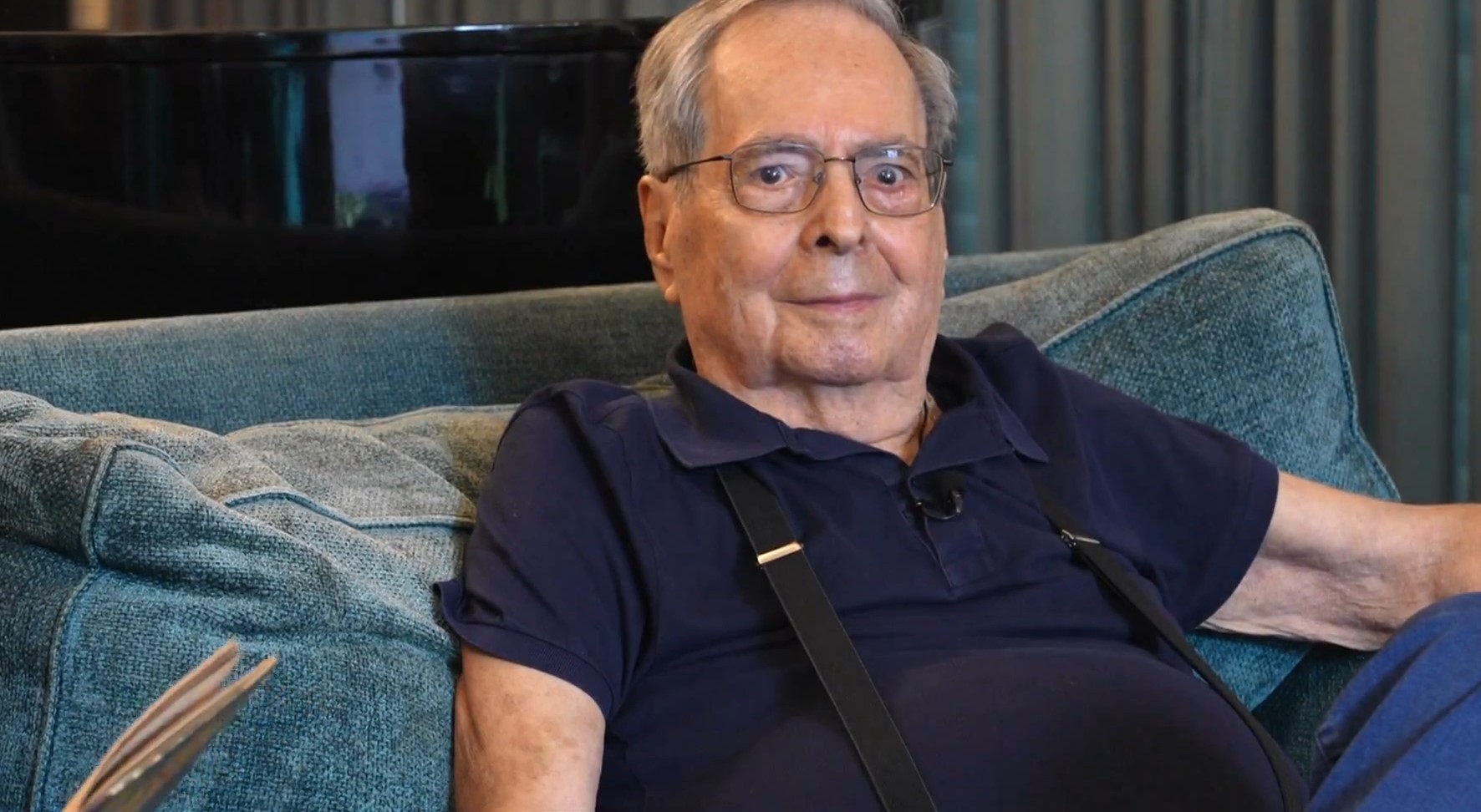
Benedito Ruy Barbosa, a renowned Brazilian playwright and writer, passed away at the age of 95 due to complications from chronic kidney failure. His body will be available for public viewing on Tuesday, October 7th, from 3 PM to 9 PM at Funeral Home in Bela Vista, downtown São Paulo. The public will have access between 3 PM and 4 PM.
Considered a titan of Brazilian television drama, Barbosa was celebrated for his novelas, including "Pantanal" and "O Rei do Gado." His works often depicted the Brazilian rural universe, explored cultural diversity, particularly Italian immigration, and featured intense love stories. Barbosa's legacy includes iconic plots like "Meu Pedacinho de Chão" (1971), "Pantanal" (1990), "O Rei do Gado" (1996), and "Terra Nostra" (1999), which he described as featuring protagonists with "good character, determination to fight, belief in positive values."
Born in Gália, São Paulo, in 1931, Barbosa overcame early hardship, working various jobs before becoming a proofreader at "Estado de S. Paulo." His writing career began with the novel "Fogo Frio," adapted for theater. He debuted on television in 1966 and later joined TV Globo, where he achieved significant success with 6 PM slot novelas. His return to TV Manchete for "Pantanal" was notable for its use of external locations and exploration of the Brazilian biome. Barbosa's work often revisited themes of rural life, family feuds, land disputes, and immigration, with his grandson Bruno Luperi later adapting some of his stories.
Benedito Ruy Barbosa's passing marks the end of an era in Brazilian television narrative, particularly concerning its portrayal of rural life and cultural identity. His prolific career, spanning decades and multiple iconic telenovelas, highlights the enduring power of storytelling to shape national consciousness and explore complex social themes. The recurring motifs in his work, such as land ownership, intergenerational conflict, and the immigrant experience, reflect persistent societal dialogues within Brazil. His ability to connect with audiences through relatable characters and compelling sagas underscores the importance of cultural producers in reflecting and influencing public discourse. Looking ahead, the challenge for future storytellers lies in adapting these rich narratives to contemporary contexts, addressing evolving social dynamics and technological shifts while maintaining the depth and resonance that characterized Barbosa's contributions.
AI-generated to prompt reflection — not editorial opinion, not advice, not a statement of fact. How this works.