Benedito Ruy Barbosa, celebrated Brazilian telenovela writer, dies at 95
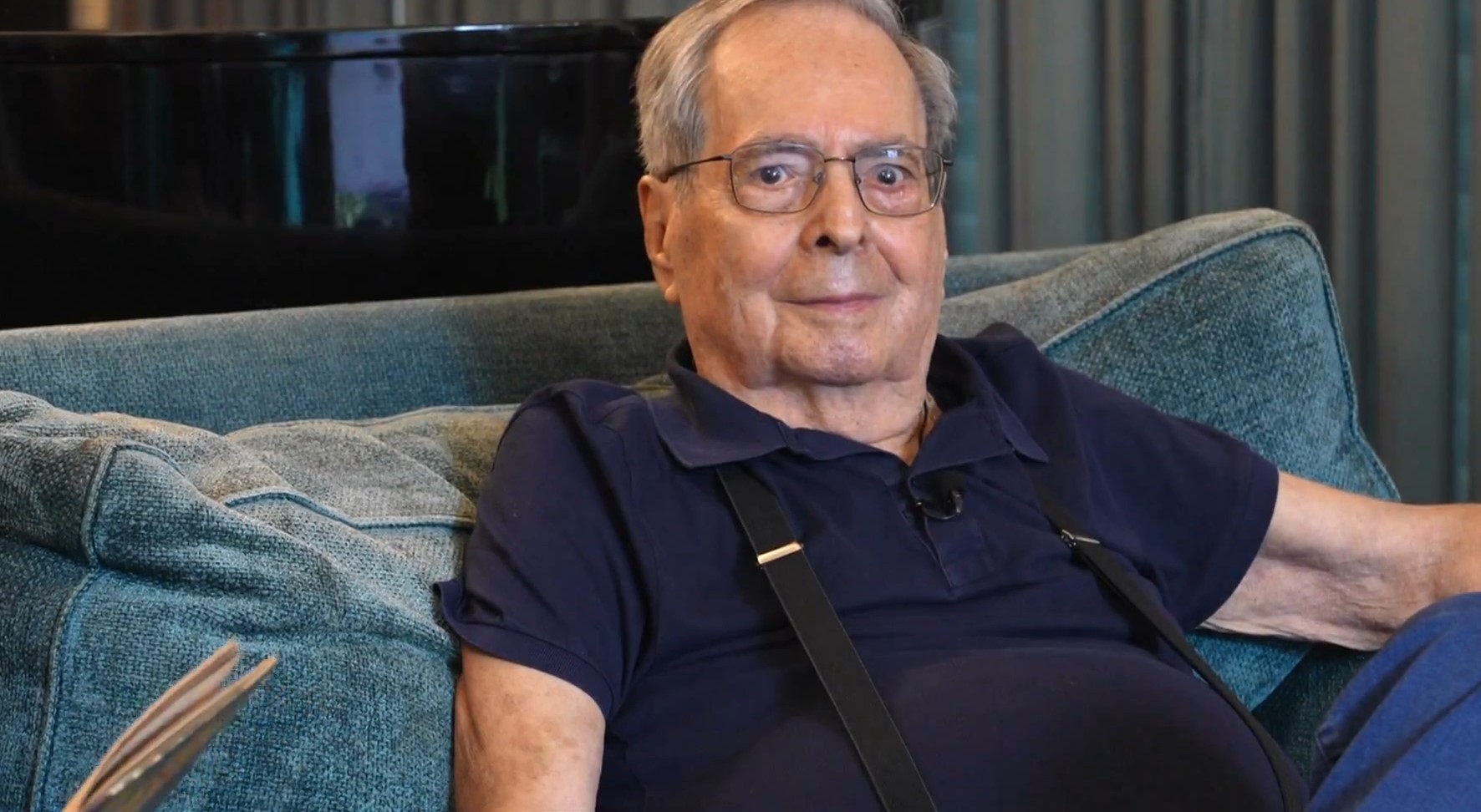
Benedito Ruy Barbosa, a renowned Brazilian playwright and writer, passed away at the age of 95 due to complications from chronic kidney failure. He was widely celebrated for his contributions to Brazilian television drama, authoring iconic telenovelas such as "Pantanal" and "O Rei do Gado." His son, Ruy Maurício Barbosa, fondly remembered his father's deep passion for football, particularly his fervent support for the São Paulo Futebol Clube, stating, "He was more of a São Paulo fan than a national team supporter." Barbosa's lifelong love for sports also led him to a career in sports journalism before his success in television, where he even wrote the book "Eu sou Pelé" in 1961. His son described him as an intensely emotional and passionate spectator during football matches. Barbosa's literary and television career spanned decades, beginning with his first novel "Fogo Frio" and his television debut in 1966. He became known for crafting epic narratives often set in the Brazilian rural universe, exploring cultural diversity, and featuring intense love stories. His notable works include "Meu Pedacinho de Chão," "Pantanal," "O Rei do Gado," and "Terra Nostra," which frequently featured protagonists with strong moral character and determination. Barbosa was born in Gália, São Paulo, in 1931 and began working at a young age to support his family after his father's early death. His career in television saw him work with various networks, including TV Tupi and Globo, where he achieved significant success with his 6 PM telenovelas. His return to Globo after a stint at TV Manchete, where he wrote "Pantanal," led to further acclaimed productions like "Renascer" and "O Rei do Gado." He also revisited his own works, directing remakes of "Sinhá Moça" and "Meu Pedacinho de Chão," and concluded his career with "Velho Chico" in 2016, a story set in the Brazilian Northeast. Barbosa believed that a telenovela must first and foremost possess a great love story.
Benedito Ruy Barbosa's passing marks the end of an era in Brazilian television, underscoring the enduring cultural impact of his narrative style, which often focused on rural life, family sagas, and strong moral themes. His prolific career, spanning journalism, literature, and television, highlights the interconnectedness of media and storytelling in shaping national identity and cultural discourse. The analysis of his work through the lens of evolving media landscapes and audience engagement suggests a continued relevance for character-driven narratives that explore Brazilian heritage, even as digital platforms and shorter content formats gain prominence. His legacy prompts reflection on how traditional storytelling mediums can adapt to contemporary consumption patterns while retaining their capacity to resonate deeply with audiences across generations.
AI-generated to prompt reflection — not editorial opinion, not advice, not a statement of fact. How this works.