Benedito Ruy Barbosa, Renowned Brazilian Telenovela Author, Dies at 95
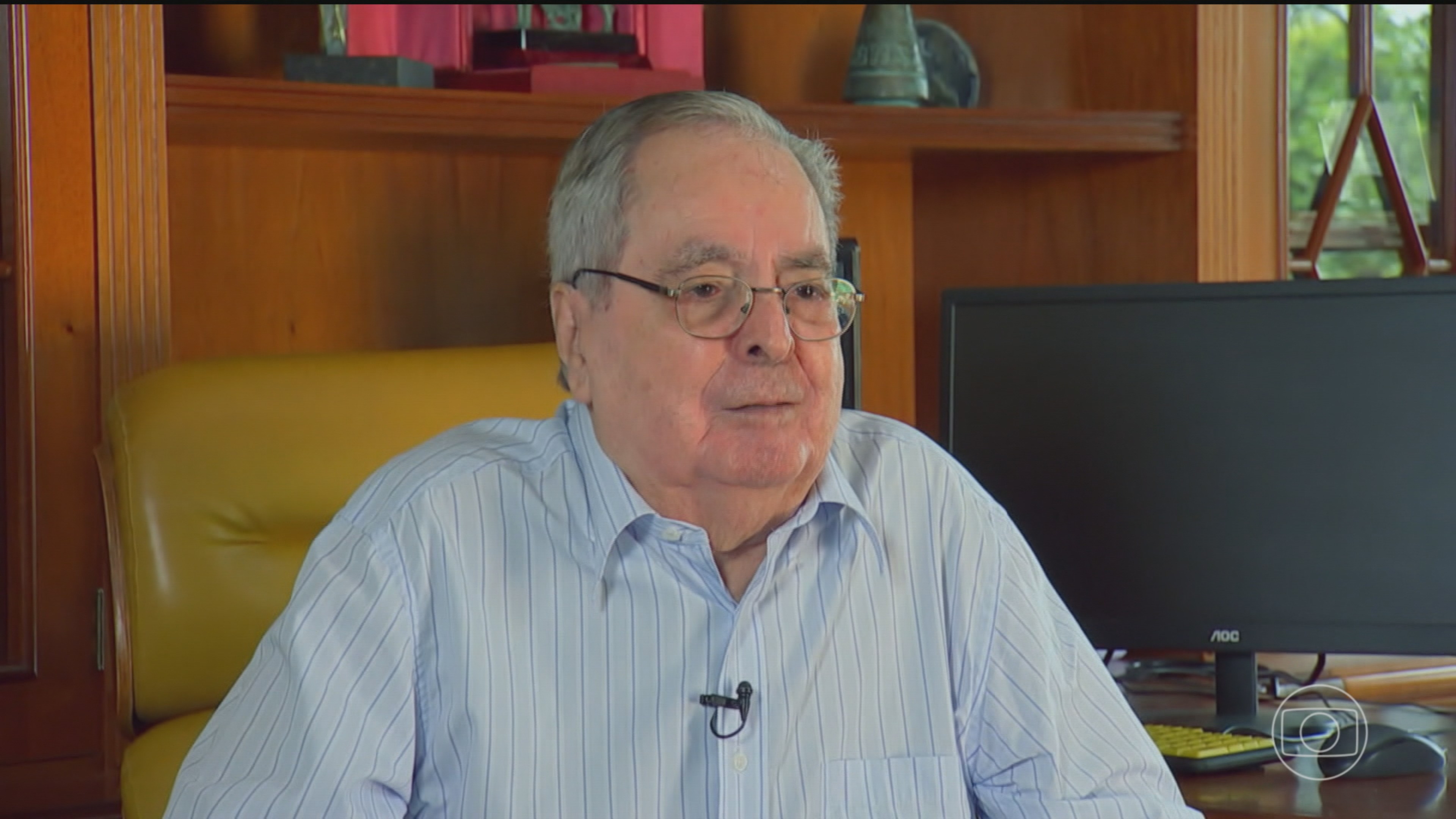
Benedito Ruy Barbosa, a celebrated Brazilian television author responsible for over 30 telenovelas, passed away on Tuesday, October 7th, in São Paulo at the age of 95. His work often depicted the grandeur, conflicts, and transformations of Brazil's interior, drawing heavily from his own upbringing in rural São Paulo. Barbosa frequently incorporated themes of the land, the struggles of its people, and the influence of Italian immigrant culture, which he experienced firsthand. He began his writing career in journalism, even penning the first biography of football legend Pelé, before transitioning to television. His first telenovela, "Somos Todos Irmãos," aired in 1966. Barbosa's storytelling was characterized by epic narratives and the creation of relatable, everyday heroes, as seen in iconic works like "O Rei do Gado" and "Renascer." He also contributed to children's programming, writing 220 episodes of "Sítio do Picapau Amarelo." Notable works also include "Pantanal," which was later remade by his grandson Bruno Luperi, and "Terra Nostra," a love story set aboard an immigrant ship. Despite facing censorship during Brazil's dictatorship, Barbosa fought to preserve the integrity of his narratives, demonstrating a deep passion for his craft. He was inspired by his father, a journalist, and his childhood experiences, including a formative encounter with the book "Peter Pan." His legacy endures through his impactful stories and the lasting impression he left on Brazilian television.
Benedito Ruy Barbosa's passing marks the end of an era for Brazilian television, highlighting the enduring power of narrative to shape cultural identity and national discourse. His prolific career, spanning over five decades, demonstrates the significant societal impact that serialized storytelling can achieve, particularly in capturing and reflecting the nuances of rural life and socio-economic struggles. The recurring themes in his work, such as land disputes and the immigrant experience, suggest a consistent engagement with foundational elements of Brazilian history and identity. The success of his telenovelas, often adapted for new generations, points to the adaptability of compelling narratives and the strategic value of intellectual property in the media landscape. His influence, extending to his grandson's work, underscores the importance of intergenerational knowledge transfer in creative industries and the potential for legacy to be both preserved and reinterpreted.
AI-generated to prompt reflection — not editorial opinion, not advice, not a statement of fact. How this works.