Benedito Ruy Barbosa's Last Soap Opera Filmed in Bahia, Featuring the São Francisco River
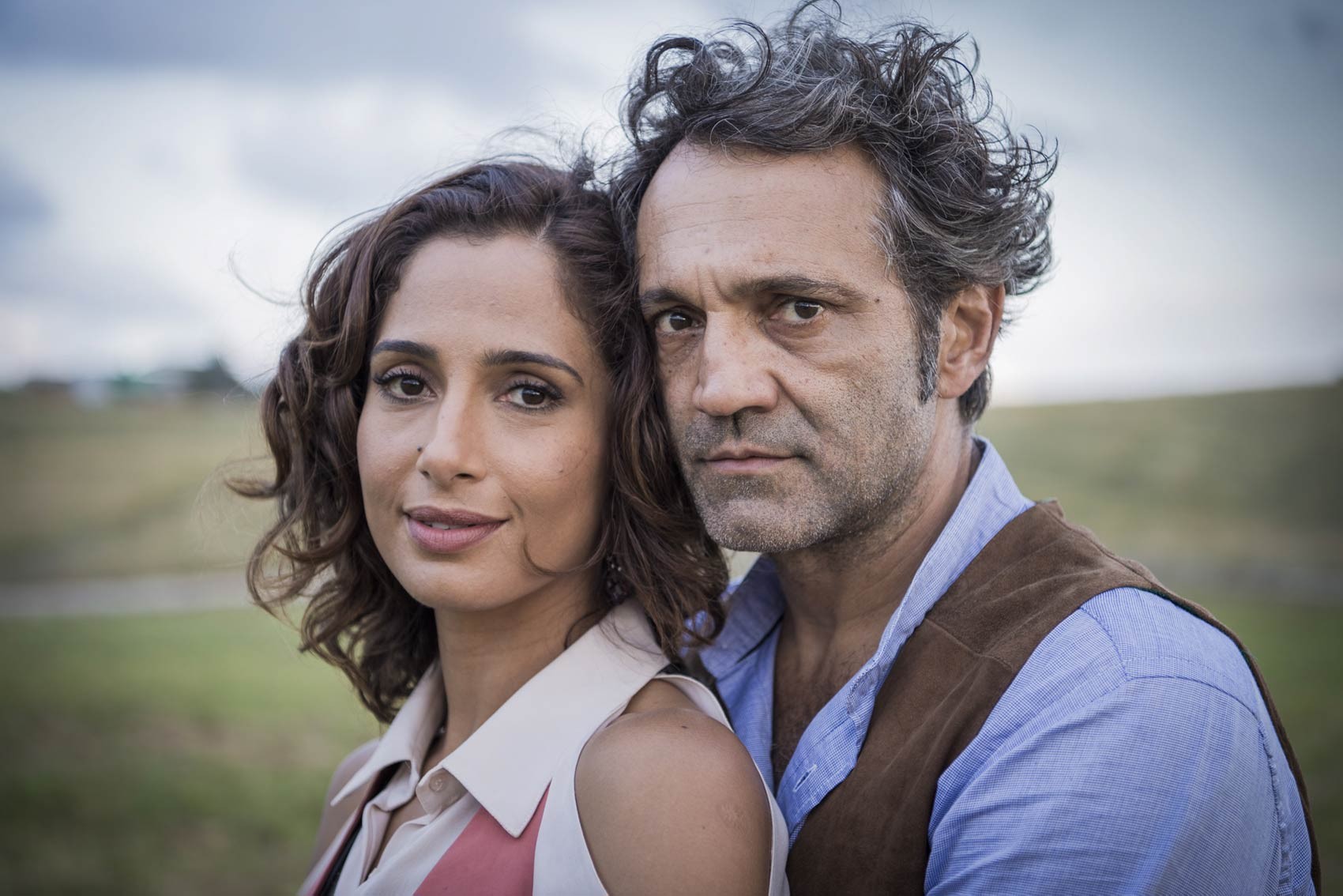
The final telenovela written by acclaimed Brazilian playwright and writer Benedito Ruy Barbosa, titled 'Velho Chico,' was filmed in various locations across Bahia and prominently featured the São Francisco River. The author passed away on Tuesday, November 7th, in São Paulo due to complications from chronic kidney failure. Broadcast in 2016 by TV Globo, 'Velho Chico' was set in the fictional northeastern town of Grotas do São Francisco. The narrative depicted a feud between two families vying for land, power, and control over the river's water resources. The production involved a crew of approximately 120 people and captured around 500 scenes across multiple northeastern regions. Filming in Bahia took place in the municipalities of São Francisco do Conde and Cachoeira, as well as the Raso da Catarina area. Other filming locations included Baraúna in Rio Grande do Norte and the villages of Caboclo and Olho d'Água do Casado in Alagoas. Beyond family and political conflicts, the novela emphasized the deep connection between the sertão's inhabitants and the São Francisco River, portraying it as a central element and a symbol of life, identity, and resilience. The main cast included Rodrigo Santoro and Antônio Fagundes, with Camila Pitanga and Domingos Montagner in the central romantic roles. Benedito Ruy Barbosa leaves a significant legacy in Brazilian television, known for classic works like 'Pantanal' and 'O Rei do Gado,' often portraying rural Brazil and characters embodying honesty, perseverance, and justice. His funeral was scheduled for Tuesday, November 7th, in São Paulo.
The passing of Benedito Ruy Barbosa marks the end of an era for Brazilian telenovelas, particularly those focusing on rural life and enduring human values. 'Velho Chico,' as his final work, serves as a microcosm of his storytelling approach, emphasizing the symbiotic relationship between communities and their environment, exemplified by the São Francisco River. The novela's production, spanning multiple states and involving a large crew, highlights the significant investment and logistical coordination required for high-quality television in Brazil. Analyzing the narrative structure, which often pits families against each other over resources like land and water, reveals enduring societal conflicts. The thematic focus on resilience and identity tied to the land and river suggests a commentary on regional development and cultural preservation. Looking ahead, the legacy of such narratives in a rapidly urbanizing and technologically advancing Brazil prompts reflection on how traditional values and environmental connections will be represented and sustained in future media.
AI-generated to prompt reflection — not editorial opinion, not advice, not a statement of fact. How this works.