Benedito Ruy Barbosa's 'Rei do Gado' Inspired by Real-Life Family Feuds in São Paulo
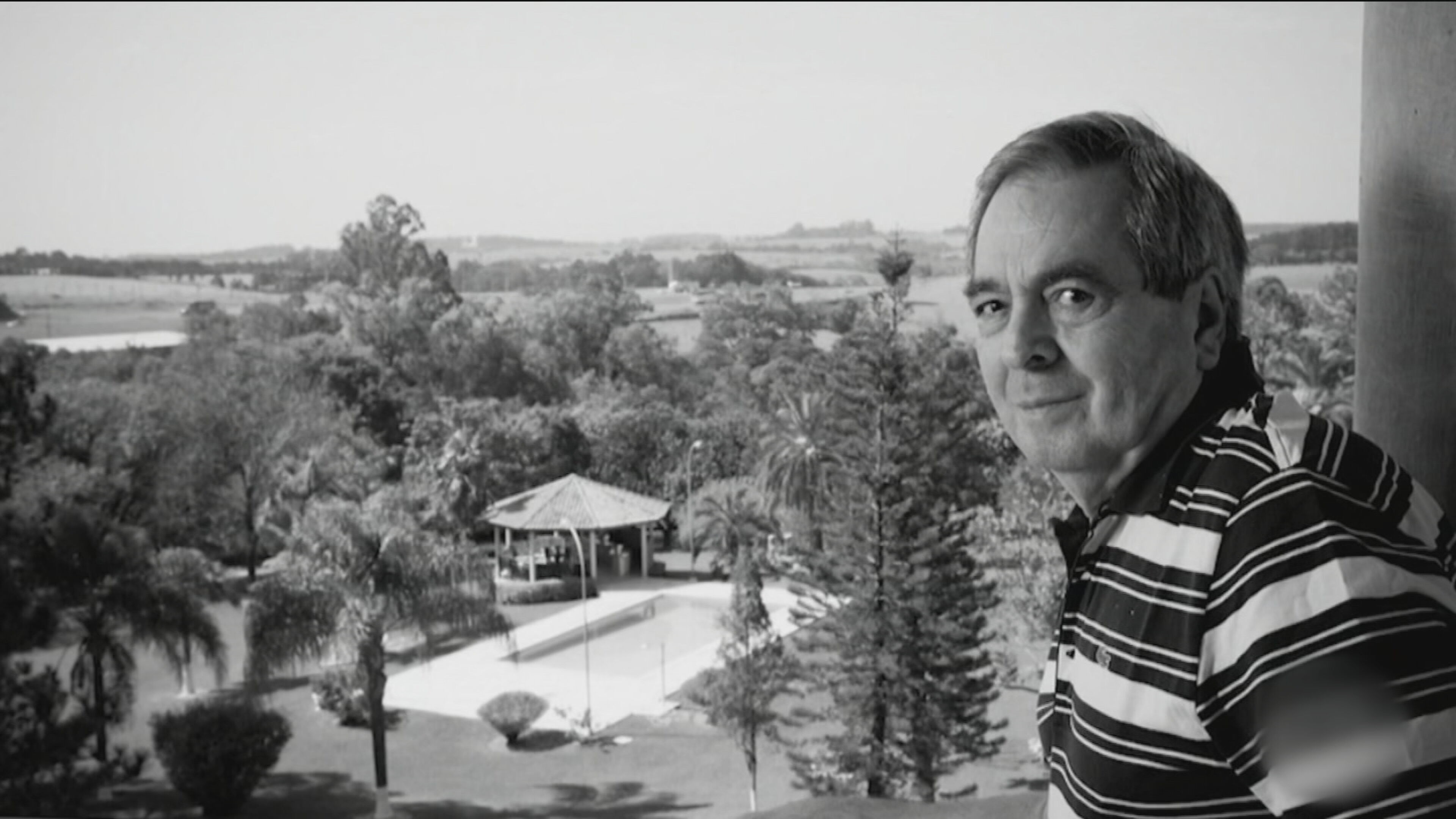
The renowned Brazilian playwright Benedito Ruy Barbosa, who passed away at 95, drew inspiration for his acclaimed telenovela 'O Rei do Gado' from actual family rivalries in his hometown of Vera Cruz, São Paulo. While the novela famously depicted the feud between the Mezenga and Berdinazi families, the real-life conflict that served as a basis involved the Mezenga and Haraguchi families. This historical dispute featured secret marriages, parental disapproval, and inheritance disputes, elements that were skillfully woven into the fictional narrative. Paulo Mezenga Haraguchi, son of Zoraide Mezenga (who inspired the character Nena Mezenga), recounted how his mother eloped to marry his father, a Japanese immigrant, due to family opposition. Their story garnered significant attention, even being featured in a national magazine, which likely planted the seed for Ruy Barbosa's later adaptation. The fictional Berdinazi surname was reportedly inspired by a local gravedigger whose tomb was adjacent to the Mezenga family plot in the Vera Cruz cemetery. The Mezenga family home in Vera Cruz, dating back to 1927, still stands, a tangible link to the history that shaped the beloved television series. Even today, the cemetery in Vera Cruz holds a poignant connection, with the Mezenga and Berdinazi tombs situated side-by-side, attracting visitors familiar with the novela's narrative.
The narrative surrounding Benedito Ruy Barbosa's 'O Rei do Gado' highlights the powerful interplay between personal experience, regional history, and mass media. By drawing on authentic local conflicts, Ruy Barbosa tapped into a vein of relatable human drama that resonated deeply with audiences, contributing to the novela's enduring popularity. This practice underscores a broader trend in popular culture where the distillation of real-world tensions into fictionalized accounts can amplify societal narratives and foster a collective sense of shared history. The adaptation process, transforming lived experiences into a widely consumed television program, also raises questions about narrative ownership and the ethical considerations of fictionalizing private family histories for public consumption. From a systems perspective, such adaptations can serve as cultural touchstones, but also risk oversimplifying complex social dynamics and potentially perpetuating stereotypes if not handled with care.
AI-generated to prompt reflection — not editorial opinion, not advice, not a statement of fact. How this works.