Benin: Father Aïtondji Apologizes for Controversial Vodoun Remarks
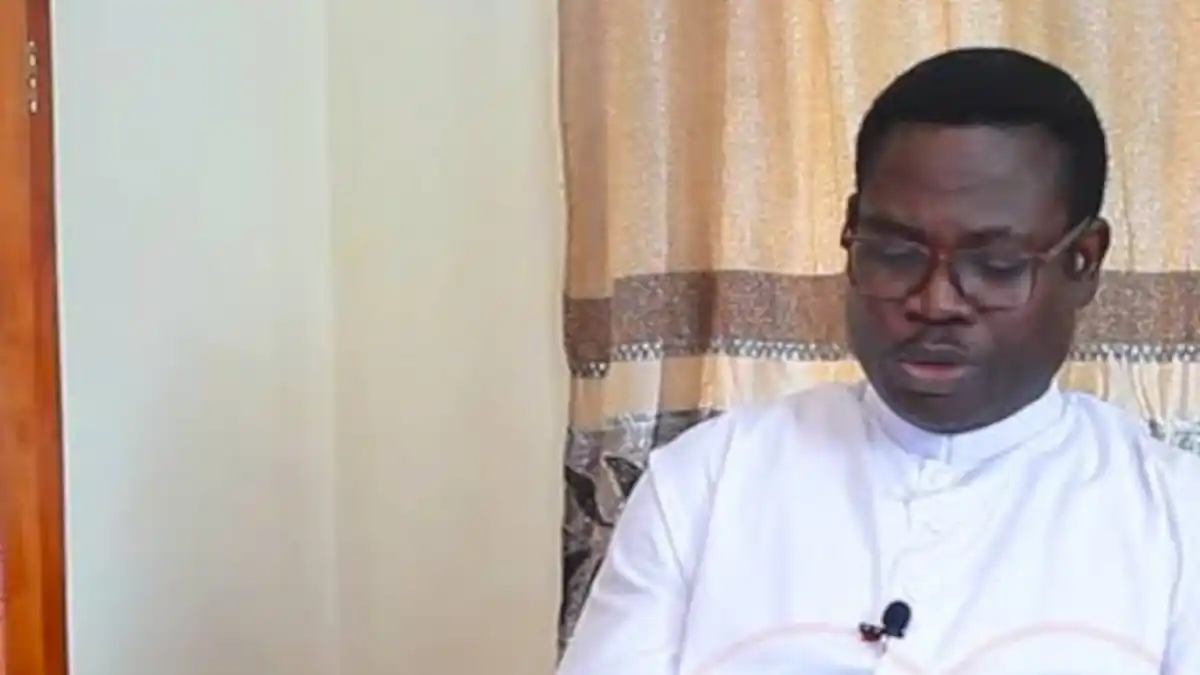
Father Gaston Aïtondji has broken his silence nearly two months after controversy erupted over his statements concerning the Fâ, Vodun, and Hôxô. In a statement released on July 27, 2026, the priest offered clarifications regarding his actions and expressed his regrets to those who were offended. He addressed his presentation, aiming to provide further context and mitigate the negative reactions his initial remarks had generated. The communication was intended to shed light on certain aspects of these traditional spiritual practices, but it inadvertently caused significant debate and distress. Father Aïtondji's follow-up statement signifies an effort to mend relationships and address the concerns raised by the community. His public apology underscores the sensitivity surrounding religious and cultural discourse in Benin. The priest's intention was to foster understanding, but the outcome necessitated a more conciliatory approach. This situation highlights the delicate balance between theological interpretation and the preservation of cultural heritage.
The situation surrounding Father Aïtondji's statements on Vodoun in Benin illustrates the complex interplay between religious discourse, cultural heritage, and public perception. His subsequent apology suggests an awareness of the impact of his words and a strategic response to mitigate potential institutional or social repercussions. In an era where information spreads rapidly, religious figures and institutions must navigate the challenges of communicating theological perspectives in a manner that respects diverse cultural and spiritual beliefs. The incident underscores the importance of interfaith dialogue and the careful consideration of historical and societal contexts when addressing sensitive topics. Moving forward, fostering environments that encourage respectful discussion and mutual understanding will be crucial for maintaining social cohesion and preventing similar controversies.
AI-generated to prompt reflection — not editorial opinion, not advice, not a statement of fact. How this works.