Benin Fuel Shortage: Privileged Access Sparks Outrage
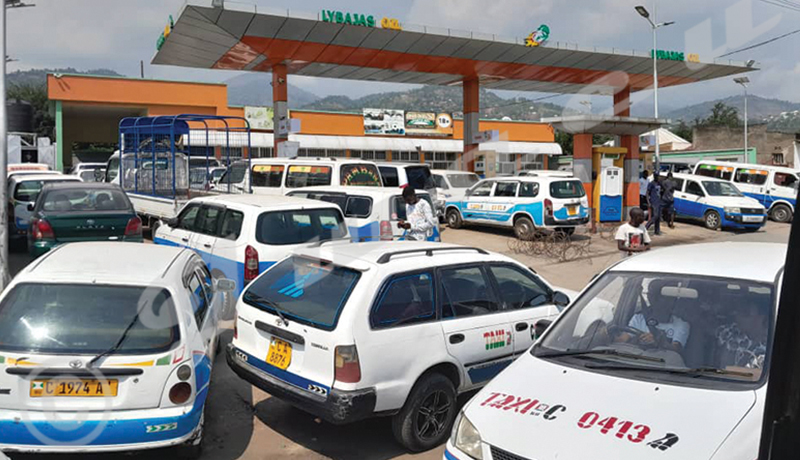
A persistent fuel shortage in Benin, ongoing for five years, has ignited significant criticism due to a supply system that favors specific groups of beneficiaries. Taxi drivers, general users, and civil society actors are voicing strong opposition to what they describe as an inequitable distribution of fuel. This vital commodity is essential for the functioning of the national economy, and its uneven access is causing widespread discontent. The current situation highlights a systemic issue in resource allocation, where essential goods are not reaching all segments of the population equally. The ongoing scarcity and the perceived favoritism in distribution are exacerbating economic challenges for many Beninese citizens and businesses. Civil society groups are calling for a transparent and fair system to ensure that fuel is accessible to everyone who needs it for their livelihoods and economic activities. The government is facing increasing pressure to address these disparities and resolve the long-standing fuel crisis.
The prolonged fuel scarcity in Benin, coupled with allegations of preferential treatment in distribution, points to potential governance challenges in resource management. Such systems, while perhaps intended to ensure supply to critical sectors, can inadvertently create market distortions and social friction. This situation may reflect underlying issues in supply chain resilience or allocation mechanisms, prompting questions about the efficiency and equity of current policies. Moving forward, Benin could explore strategies to enhance transparency in distribution, diversify supply sources, and implement market-based solutions that balance economic needs with equitable access, particularly as the nation navigates future economic pressures and technological shifts.
AI-generated to prompt reflection — not editorial opinion, not advice, not a statement of fact. How this works.