Benin Launches Regional Project to Phase Out Highly Hazardous Pesticides
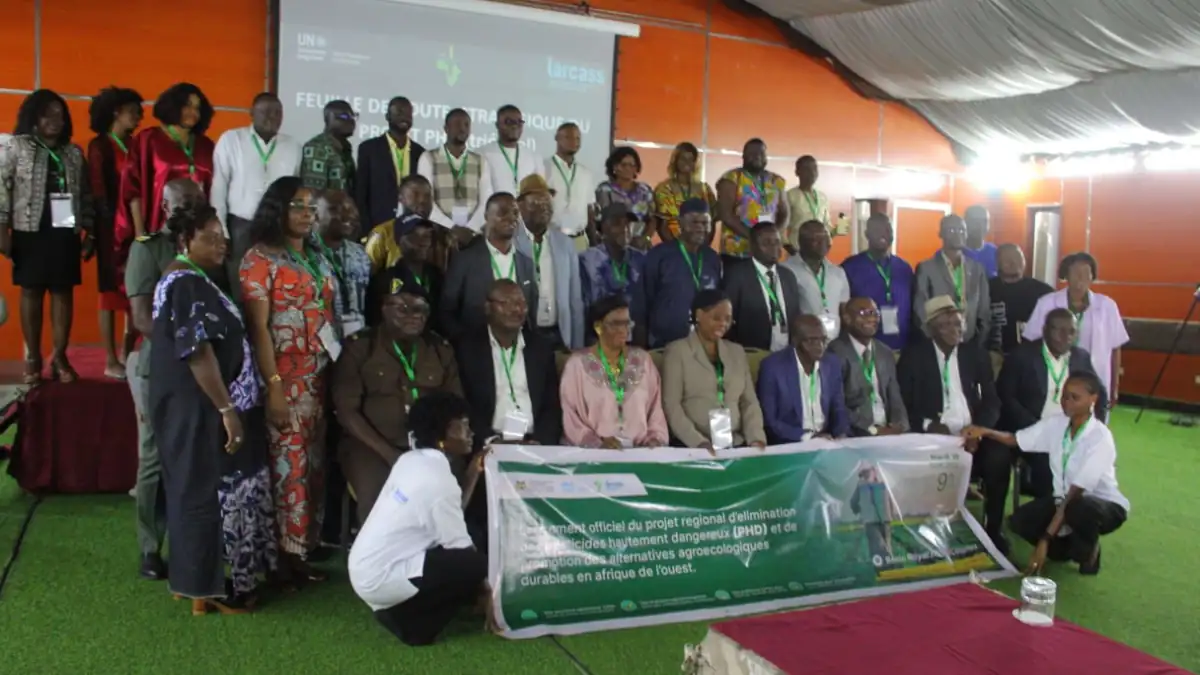
Benin has entered a new phase in its efforts to reduce the use of highly hazardous pesticides. On June 30, 2026, in Cotonou, Beninese authorities, along with technical partners, producers, civil society organizations, and private sector stakeholders, officially launched the national component of the Regional Project for the Elimination of Highly Hazardous Pesticides (PHD). This initiative marks a significant step towards phasing out dangerous agricultural chemicals within the country. The project aims to address the environmental and health risks associated with these substances. Collaboration between government bodies, industry, and civil society is central to its implementation. The launch signifies a commitment to sustainable agricultural practices and the protection of human health and ecosystems. Further details on the project's specific objectives and activities are expected to be released.
The launch of this regional project in Benin signifies a proactive approach by national authorities and diverse stakeholders to mitigate the adverse impacts of highly hazardous pesticides. By focusing on elimination, the initiative addresses critical environmental and public health concerns, aligning with global trends toward sustainable agriculture and chemical safety. The collaborative framework involving government, producers, civil society, and the private sector is designed to foster shared responsibility and ensure broader buy-in for policy changes. Looking ahead, the success of this project will likely depend on robust monitoring, effective enforcement mechanisms, and the development of viable, safer alternatives for farmers. This initiative presents an opportunity to re-evaluate agricultural support systems and promote innovation in pest management, potentially influencing similar efforts across the region.
AI-generated to prompt reflection — not editorial opinion, not advice, not a statement of fact. How this works.