Berlin Attacker Filmed Before Attack; Questions Arise About Preventative Action
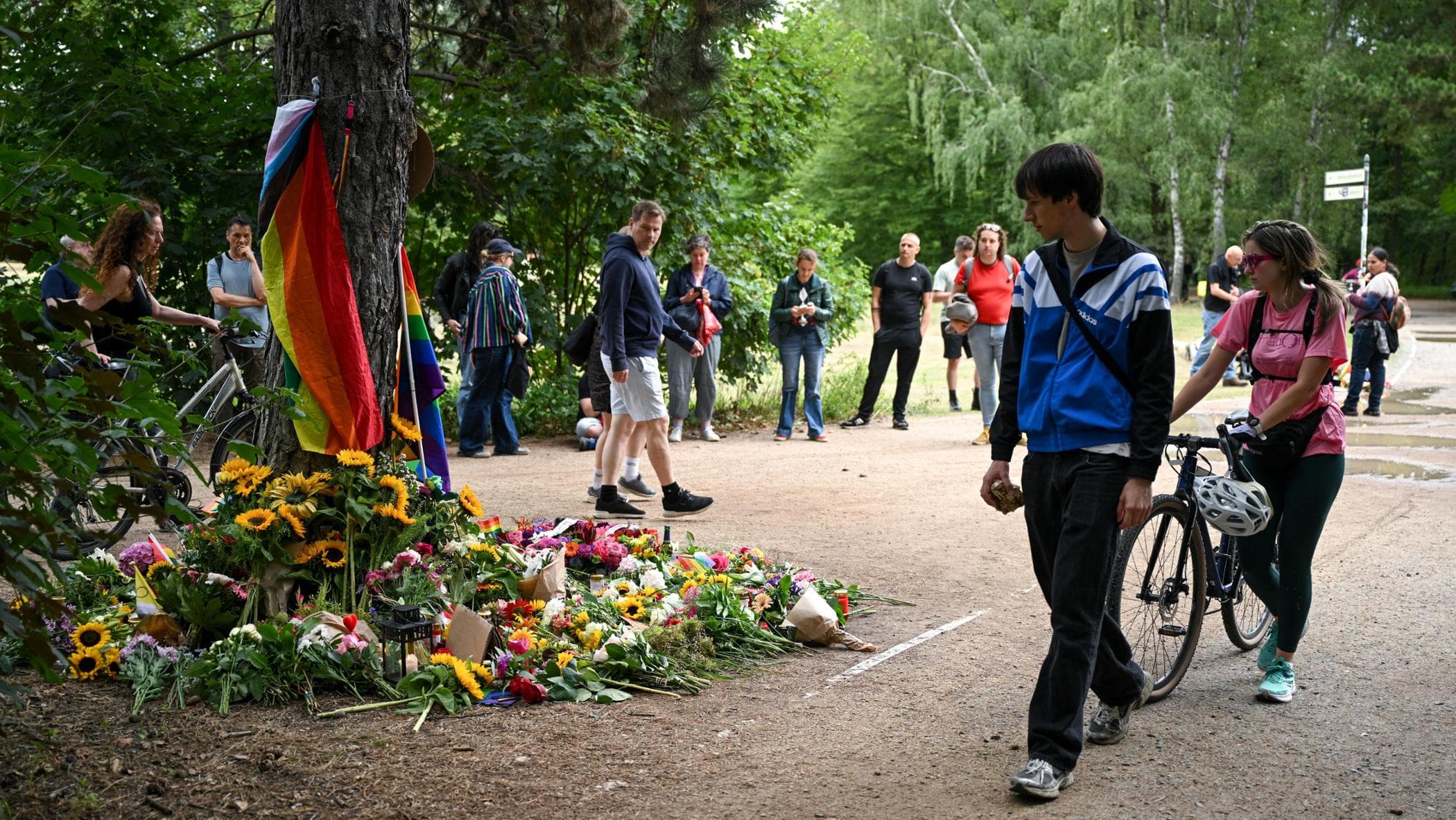
Anis Amri, the perpetrator of the 2016 Berlin Christmas market attack, was reportedly filmed shortly before carrying out the act. This footage has raised significant controversy and questions regarding whether he could have been stopped. Amri was known to authorities and was under observation by the public prosecutor's office. Despite his known radicalization and surveillance, no measures were taken against him. The revelation has fueled public debate about the effectiveness of counter-terrorism measures and intelligence gathering in preventing such attacks. Critics argue that the authorities had sufficient information to intervene and prevent the tragedy. The incident highlights ongoing concerns about security protocols and the challenges faced by law enforcement in identifying and neutralizing potential threats.
The circumstances surrounding the Berlin attacker's filming prior to the incident prompt an examination of intelligence-sharing protocols and risk assessment frameworks. The presence of an individual under observation by judicial authorities, yet not subjected to preventative measures despite documented radicalization, suggests potential systemic gaps in threat evaluation or inter-agency coordination. Future security strategies may benefit from enhanced analytical models that better predict the likelihood of an individual transitioning from surveillance to action, and clearer legal frameworks for intervention based on evolving threat indicators. This situation underscores the complex balance between civil liberties and public safety, necessitating continuous review of policies to ensure they are both effective and proportionate in mitigating risks in an era of evolving extremist methodologies.
AI-generated to prompt reflection — not editorial opinion, not advice, not a statement of fact. How this works.