Berlin attacker maintained IS ties despite claims of disassociation
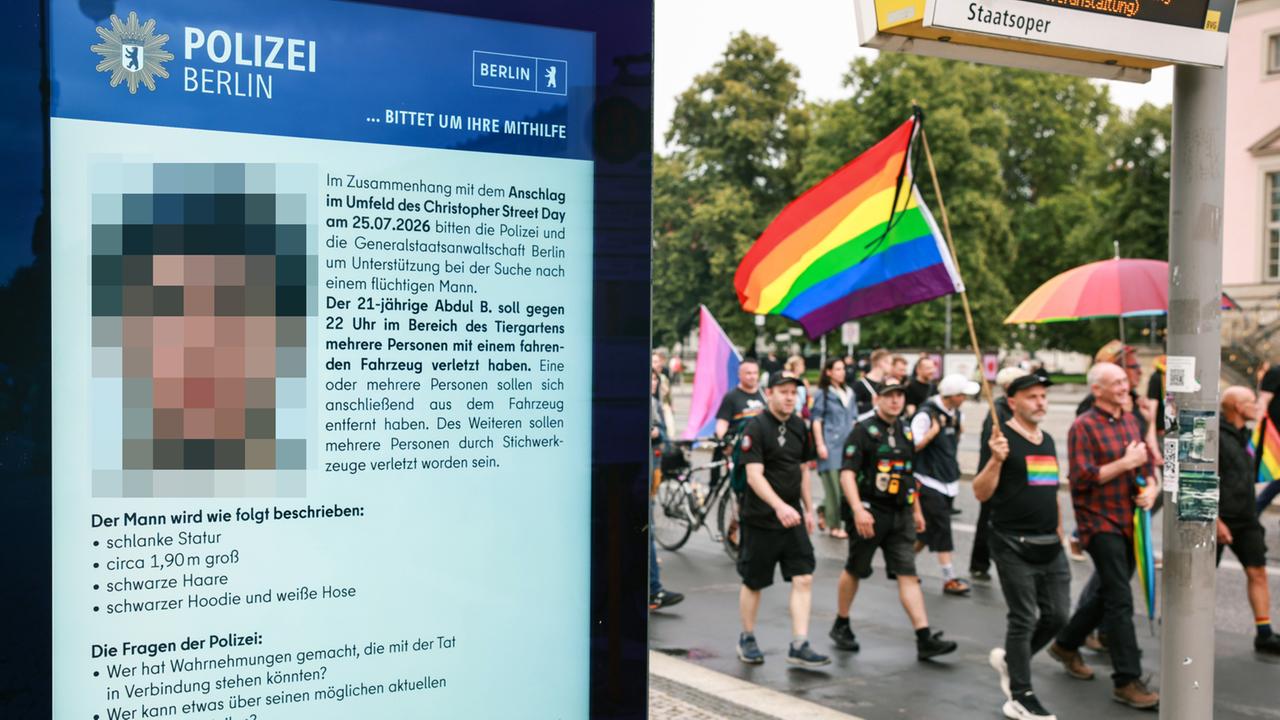
Despite claims of having renounced the Islamic State (IS), the perpetrator of the Berlin attack, Abdul B., remained connected to the terrorist organization. Abdul B. was released in May, with a lay judge court believing his assertions of disassociation from IS. However, investigations by NDR, WDR, and SZ have revealed the extent of his continued ties to the militant group. The original report indicates the presence of IS flags and jihadist songs associated with the attacker, suggesting a continued ideological alignment. The investigation highlights a significant discrepancy between the court's assessment and the reality of Abdul B.'s connections to IS, raising questions about the effectiveness of the judicial process in identifying and mitigating such threats. The findings underscore the challenges in assessing the sincerity of de-radicalization claims, particularly for individuals with documented links to extremist organizations.
The case of Abdul B. raises critical questions regarding the assessment of de-radicalization claims by judicial bodies. The discrepancy between the court's belief in his disassociation from IS and the subsequent evidence of continued ties suggests potential systemic vulnerabilities in evaluating extremist affiliations. Future efforts may need to incorporate more robust intelligence-gathering and psychological assessments to better gauge an individual's true commitment to renouncing extremist ideologies. This situation highlights the complex challenge of balancing legal due process with public safety imperatives, particularly when dealing with individuals who have demonstrated a history of engagement with terrorist organizations.
AI-generated to prompt reflection — not editorial opinion, not advice, not a statement of fact. How this works.