Berlin attacker was doubted by handlers but deemed not an immediate threat
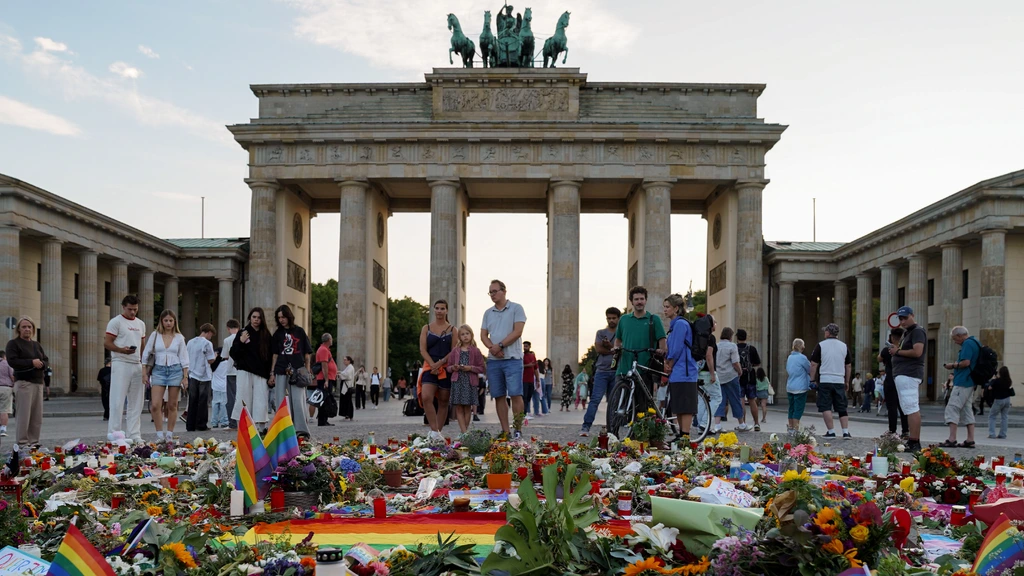
The perpetrator of the attack at Berlin's Pride event was allowed to remain free because he had agreed to participate in a deradicalization program. His handlers expressed significant doubts about his willingness to engage in the process, with one stating, "We doubted his motivation to deradicalize." The 21-year-old, identified as Abdul B., had a history with security services due to terror threats, including an attempt to join ISIS and a conviction for preparing a terrorist act. He was released early after claiming to have renounced ISIS and agreeing to the deradicalization program under Thomas Mücke of the Violence Prevention Center. Mücke explained that the program begins with an assessment of an individual's motivation, involving three interviews. Abdul B. had completed two interviews, with the third scheduled for the Monday of the attack, which occurred less than 48 hours prior.
Abdul B. presented as friendly and appeared to be deliberately inconspicuous, offering controlled responses that made him difficult to assess. This demeanor, combined with his body language, led his handlers to question his sincerity and decide on further investigation. Despite these doubts, Mücke's team observed no signs indicating immediate danger. They were unaware that counter-terrorism units considered Abdul B. a high-risk individual, categorized as 'red'. Furthermore, they did not know about his alleged connections to two cousins who had joined ISIS. The Violence Prevention Center has a long track record, having treated 490 individuals for radicalization with only one recorded relapse over two decades. The deradicalization process involves years of intensive sessions, with Abdul B. scheduled for 26. The program aims to encourage critical thinking and address the underlying personal and emotional conflicts contributing to extremism, such as difficult home environments. The goal is to reintegrate individuals into society, which has often distanced itself from them. In response to the attack, the German government is considering measures like preventive detention or expanded electronic monitoring for suspects, with plans expected by autumn.
The incident highlights a critical tension between rehabilitation efforts and public safety imperatives when managing individuals with a history of radicalization. While deradicalization programs aim to address the root causes of extremism and reintegrate individuals into society, their effectiveness hinges on genuine participant motivation and accurate threat assessment. The case of Abdul B. suggests a potential disconnect between the therapeutic assessment of his immediate risk and the security services' evaluation of his long-term danger. This divergence raises questions about information sharing protocols and the calibration of risk assessment methodologies across different agencies. The German government's proposed measures, such as preventive detention, reflect a societal response to perceived failures in existing systems, prioritizing security over rehabilitation in high-risk cases. However, such measures carry significant implications for civil liberties and the long-term efficacy of deradicalization strategies, potentially creating a cycle where individuals are further alienated rather than reintegrated.
AI-generated to prompt reflection — not editorial opinion, not advice, not a statement of fact. How this works.