Berlin Divided on US-EU Stance Regarding Bosnia and Herzegovina
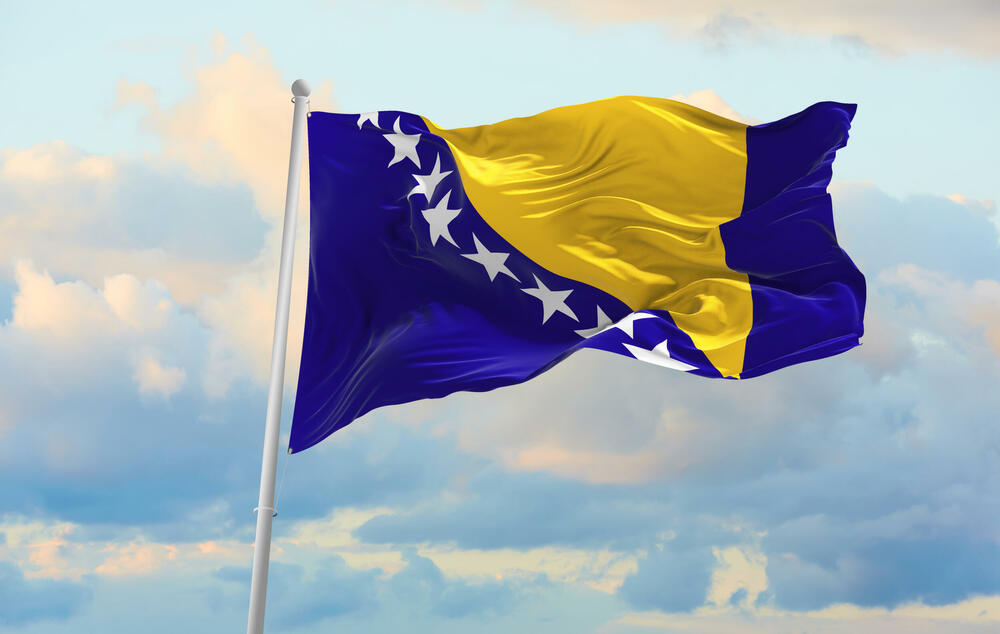
The European Union and the United States have once again failed to reach an agreement on the successor to the High Representative for Bosnia and Herzegovina, Christian Schmidt. This diplomatic impasse raises questions about the future political landscape of the region and the effectiveness of international coordination. German politicians are reportedly divided on how to navigate this complex situation, with differing views on the best approach to resolving the issue. The ongoing political drama surrounding the appointment of Schmidt's successor highlights underlying tensions and challenges in managing Bosnia and Herzegovina's post-conflict stability. The lack of consensus between key international actors could potentially prolong uncertainty and hinder progress in the country's development. The article poses the question of whether this political drama will ultimately conclude with a positive outcome, suggesting that the resolution remains uncertain.
The recurring discord between the US and EU on Bosnia and Herzegovina's leadership appointments reflects divergent strategic priorities and potentially differing assessments of regional stability. This lack of unified international engagement could create governance vacuums and empower local actors with competing agendas. Examining the incentive structures for both the US and EU in maintaining influence versus the costs of protracted negotiation may reveal underlying geopolitical calculations. Future international frameworks for such appointments might benefit from more formalized dispute resolution mechanisms to ensure consistent policy application and foster long-term stability in the Balkans, considering the evolving geopolitical landscape of the next decade.
AI-generated to prompt reflection — not editorial opinion, not advice, not a statement of fact. How this works.