Berlin: From Pride to Political Storm After Islamist Attack
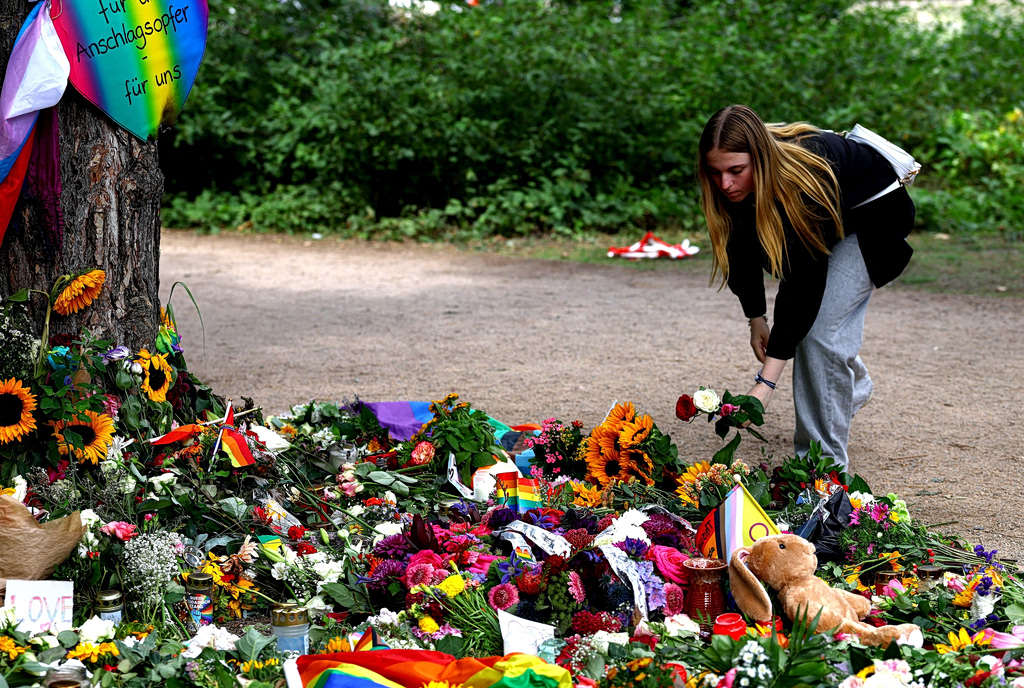
An Islamist attack in Berlin has triggered an investigation into security vulnerabilities and fueled far-right rhetoric. The incident occurred shortly after the city's Pride celebrations, creating a complex backdrop for the unfolding events. Authorities are now scrutinizing the security apparatus to identify any potential lapses that may have allowed the attack to occur. This introspection is occurring amidst a heightened political climate, with extremist groups reportedly leveraging the incident to advance their agendas. The government faces the dual challenge of addressing security concerns while also countering the rise of divisive political discourse.
The intersection of a security incident with a major cultural event like Pride in Berlin presents a complex challenge for governance. Authorities must conduct a thorough, objective review of security protocols, focusing on systemic improvements rather than solely on immediate responses. The potential for extremist groups to exploit such events for political gain highlights the ongoing tension between public safety and civil liberties. Moving forward, policymakers will need to balance robust security measures with the protection of fundamental rights, ensuring that responses do not inadvertently empower divisive ideologies or erode public trust. The long-term implications involve strengthening societal resilience against both external threats and internal polarization.
AI-generated to prompt reflection — not editorial opinion, not advice, not a statement of fact. How this works.