Berlin Mayor: Debate on Property Expropriation Harms Renters
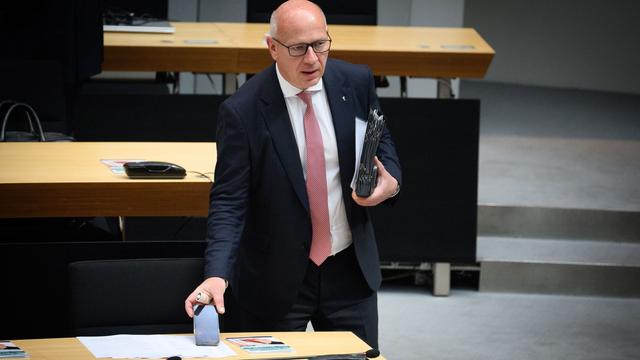
Berlin's Governing Mayor, Kai Wegner, has stated that the ongoing debate surrounding property expropriation is detrimental to the city's renters. He argues that this discussion creates uncertainty and discourages investment in the housing market. Wegner believes that such debates lead to a decline in the availability of affordable housing, ultimately negatively impacting those who need it most. The mayor emphasized that the focus should be on constructive solutions rather than divisive ideological arguments. He suggested that practical measures for increasing housing supply and improving existing stock would be more beneficial for Berlin's residents. Wegner's comments come amid ongoing discussions about potential policies to address the housing shortage in the German capital. He reiterated his commitment to finding practical solutions that support both tenants and property owners. The mayor's office has indicated a preference for policies that encourage new construction and renovation. This stance highlights a tension between different approaches to tackling Berlin's housing crisis.
The discourse surrounding property expropriation in Berlin reflects a fundamental tension between housing affordability and property rights. While proponents may view expropriation as a tool to address market failures and ensure equitable access to housing, opponents, like Mayor Wegner, highlight the potential negative economic consequences. Such debates can create market uncertainty, potentially deterring investment in new construction and maintenance, which could exacerbate housing shortages in the long term. From a systemic perspective, the challenge lies in balancing social housing goals with the economic incentives necessary for a healthy real estate market. Future policy approaches may need to explore innovative models that encourage private sector participation in affordable housing development while ensuring robust tenant protections, rather than relying on potentially disruptive, ideologically charged measures.
AI-generated to prompt reflection — not editorial opinion, not advice, not a statement of fact. How this works.