Berlin Mayor Kai Wegner Withdraws Re-election Bid After Tennis Controversy
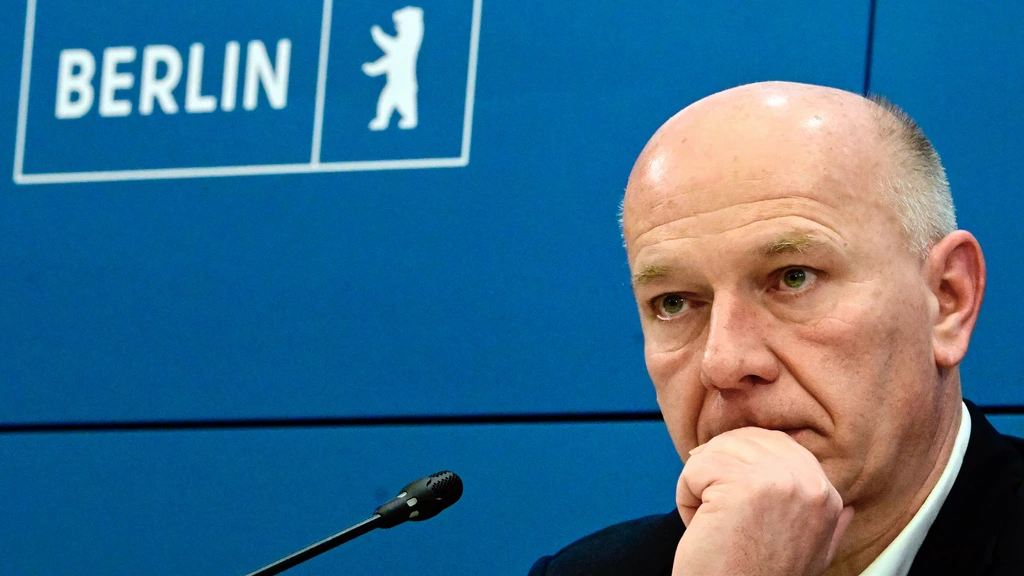
Berlin Mayor Kai Wegner, 53, has announced he will not seek re-election due to persistent criticism over playing tennis during a major power outage in January. The outage, which affected tens of thousands of Berlin residents for five days, was caused by arson at a bridge with electrical cables, with the far-left Vulkangruppe claiming responsibility. Wegner has faced ongoing criticism for his communication during the crisis, particularly for not immediately visiting the affected areas. It was revealed that he had misrepresented his actions, initially claiming to have been at home coordinating from his office, when he had in fact gone to play tennis for an hour to clear his head. This decision comes just before a new revelation that Wegner allegedly did not speak with Chancellor Merz during the power crisis, contrary to his previous claims. The sustained criticism and internal party pressure from the CDU have reportedly caused unrest within his party. While Wegner will remain mayor until the state elections in just over two months, he will run for a seat in the state parliament but will not be a candidate for the position of head of the state government again. The incident highlights the significant political ramifications of perceived misjudgment during a public crisis.
This situation illustrates the critical importance of public trust and perceived leadership during crises. Mayor Wegner's decision to play tennis amidst a widespread power outage, and subsequent misrepresentation of his activities, created a significant disconnect with constituents facing hardship. The political fallout underscores how actions, even those intended for personal stress relief, can be interpreted as a lack of empathy or prioritization when juxtaposed with public suffering. In an era of heightened transparency and rapid information dissemination, political figures face intense scrutiny, and any perceived lapse in judgment or authenticity can quickly erode their mandate. The incentive structure for politicians often involves balancing personal well-being with public duty, and the Berlin case suggests a failure in navigating this balance, leading to a loss of the ability to effectively communicate and lead.
AI-generated to prompt reflection — not editorial opinion, not advice, not a statement of fact. How this works.