Berlin Power Outage Reveals Weaknesses, Experts Call for Central Crisis Center
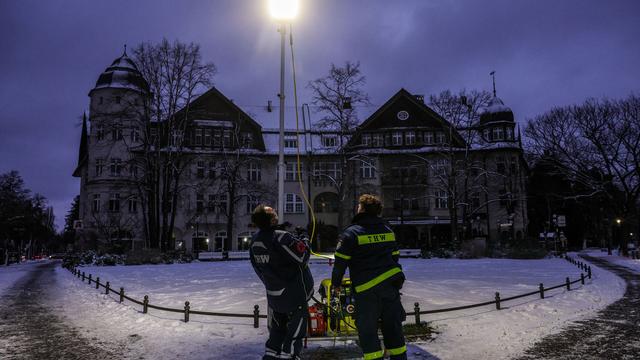
A power outage lasting several days in Berlin during January exposed significant vulnerabilities in the city's crisis management capabilities. Following this event, an expert commission has presented an analysis of the situation and is urging for concrete consequences to be implemented.
The commission's findings highlight critical shortcomings in how Berlin handled the multi-day blackout. The report emphasizes the need for systemic improvements to prevent similar disruptions from paralyzing the city in the future. The experts' recommendations aim to bolster the city's resilience against widespread power failures.
The January power outage in Berlin serves as a stark case study in urban infrastructure resilience. The expert commission's call for a centralized crisis center suggests a need for improved inter-agency coordination and a unified command structure during emergencies. Such a center could streamline decision-making, resource allocation, and public communication, thereby mitigating the cascading effects of infrastructure failures. Looking ahead, the integration of smart grid technologies and decentralized energy solutions might offer long-term strategies to enhance energy security and reduce reliance on single points of failure, aligning with future demands for robust and adaptive urban systems.
AI-generated to prompt reflection — not editorial opinion, not advice, not a statement of fact. How this works.