Berlin Pride Attack: Suspect Killed, Victim Identified, Questions Linger
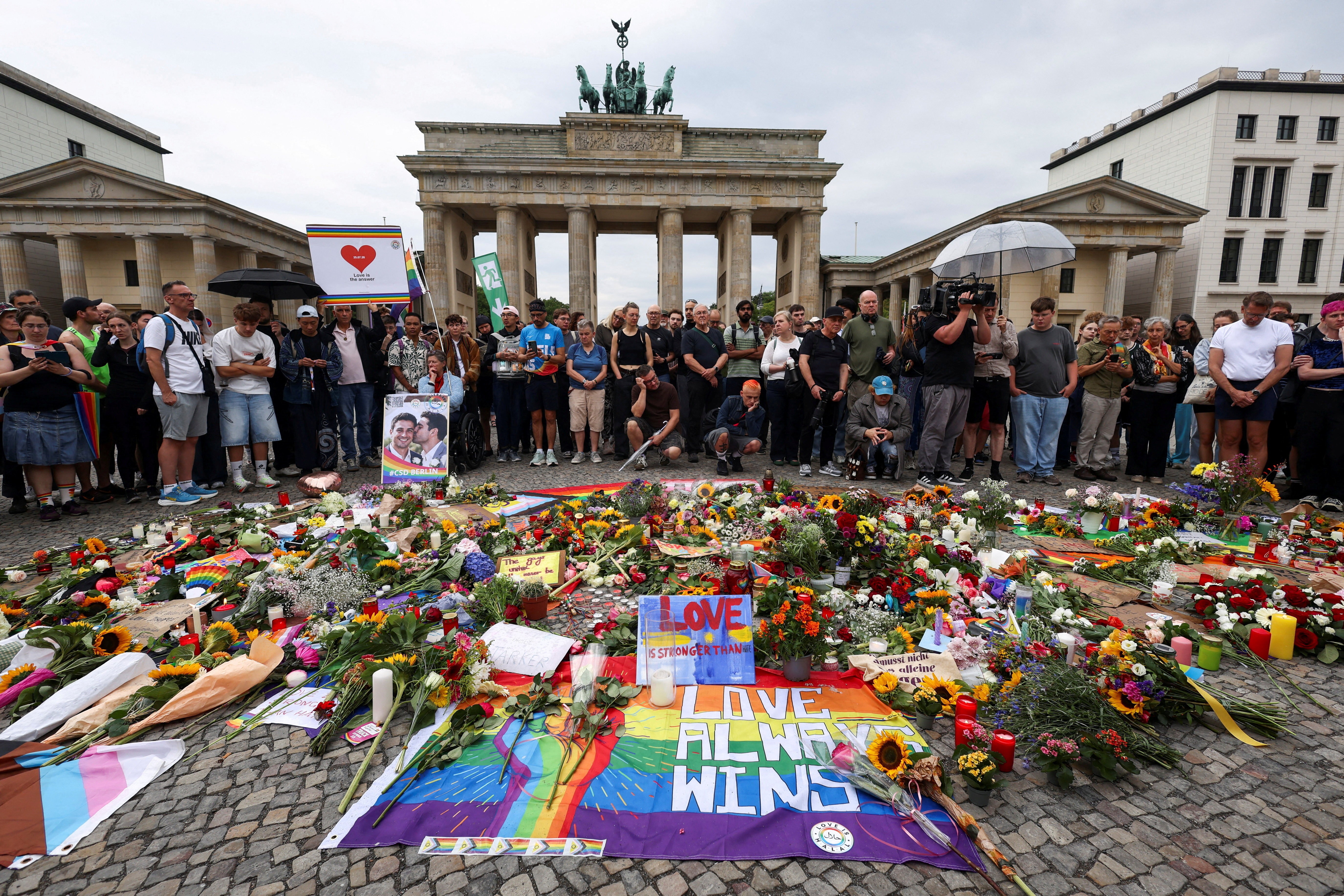
A white van plowed into a crowd near Berlin's Brandenburg Gate on Saturday evening, July 25th, during the city's LGBTQ+ Pride march, killing one Polish woman and injuring 29 others. The incident occurred as the annual Christopher Street Day (CSD) event was dispersing. The victim, a 65-year-old Polish woman who was attending the parade with her daughter, was identified by German tabloid Bild. The primary suspect, identified by police as 21-year-old German national Abdul B., with Lebanese maternal heritage and past associations with Islamist circles, was killed by police on Sunday night after allegedly attacking officers with a bladed weapon. Abdul B. had a history of attempting to join ISIS in Syria in 2025 and was previously convicted in Germany for preparing a serious act of violence endangering state security, receiving a suspended sentence under juvenile law. He had been released and was attending de-radicalization sessions, with the prosecution having appealed his sentence. German Interior Minister Alexander Dobrindt classified the attack as "Islamist terrorist", and the Federal Prosecutor's Office has taken over the investigation. It remains unclear if Abdul B. was the driver, as the van was privately owned and found damaged near the scene. Investigators are exploring the possibility of a second phase of the attack involving bladed weapons. Experts suggest such attacks are difficult to prevent entirely, citing the large area of Tiergarten and the event nearing its end as potential factors in security lapses. German Chancellor Friedrich Merz called for resilience against violence and intolerance, stating that political conclusions would be drawn regarding how an individual with the suspect's profile could approach the event unimpeded. Germany has experienced several mass casualty vehicle attacks in recent years.
The incident in Berlin highlights the persistent challenge of preventing lone-actor attacks, even when individuals have prior indicators of radicalization or criminal intent. Abdul B.'s history, including attempted foreign fighter travel and a suspended sentence for preparing violent acts, raises critical questions about the effectiveness of de-radicalization programs and the justice system's ability to manage individuals deemed a risk. The classification of the event as an "Islamist terrorist attack" by German officials, coupled with the suspect's background, suggests a potential nexus between extremist ideologies and personal grievances or mental health issues, a complex dynamic that security agencies worldwide grapple with. The subsequent police action resulting in the suspect's death, while neutralizing an immediate threat, also ends the possibility of a full judicial accounting of his motives and potential accomplices. Future policy discussions will likely focus on improving intelligence sharing, enhancing surveillance protocols for individuals with suspended sentences, and reassessing the efficacy of rehabilitation and reintegration strategies for those with extremist ties, particularly in light of evolving online radicalization tactics and the increasing accessibility of potential weapons.
AI-generated to prompt reflection — not editorial opinion, not advice, not a statement of fact. How this works.