Berlin's 100-Year-Old Parrot Settlement Hopes for World Heritage Status
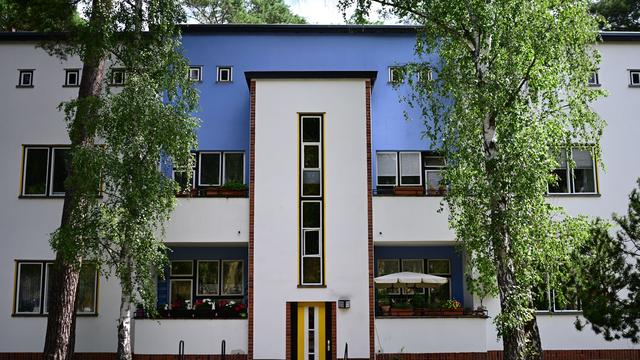
The Papageiensiedlung, a century-old forest settlement in Berlin, is seeking recognition as a UNESCO World Heritage site. This unique residential area, built in the 1920s, is characterized by its distinctive colorful houses designed to resemble parrots, hence its nickname. The settlement was conceived as a model for modern urban living, emphasizing green spaces and community integration. Its architectural style and historical significance have made it a notable landmark within the German capital. The application for World Heritage status highlights the settlement's cultural and historical value, aiming to preserve its unique character for future generations. This designation would bring international attention and potentially boost tourism and conservation efforts for the area. The process involves rigorous evaluation by UNESCO, assessing its outstanding universal value and authenticity. The residents and local authorities are hopeful that the Papageiensiedlung will soon join the ranks of globally recognized cultural treasures.
The bid for World Heritage status for Berlin's Papageiensiedlung reflects a growing global trend of urban heritage preservation, particularly for modernist housing estates that embody specific social and architectural ideals. This pursuit highlights the tension between maintaining historical integrity and accommodating contemporary urban pressures, such as density and infrastructure needs. The designation could offer significant economic and cultural benefits, but also necessitates robust management plans to ensure the site's 'outstanding universal value' is protected from over-commercialization or inappropriate development. Looking ahead, the success of such applications may influence how other mid-20th-century residential areas are valued and conserved, potentially setting precedents for urban planning and heritage policy in an era increasingly focused on sustainable and culturally rich living environments.
AI-generated to prompt reflection — not editorial opinion, not advice, not a statement of fact. How this works.