Berlin's Greening Initiative: Senate Aims for More Trees Through Pavement Removal
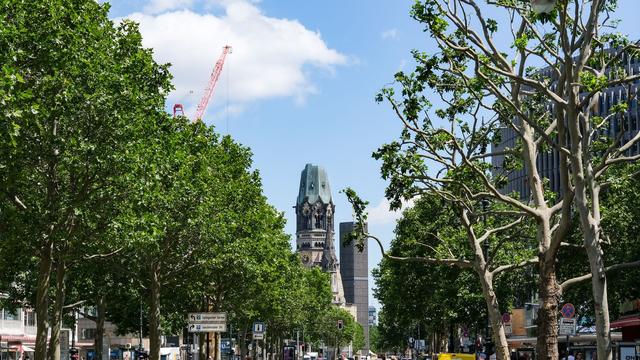
Berlin's Senate is making progress in its efforts to increase green spaces by removing sealed surfaces, a process known as 'Flächenentsiegelung'. The initiative aims to plant more trees and create more permeable areas within the city. The Senate views its current trajectory positively, indicating that the program is on track to meet its objectives. This strategy is part of a broader urban development plan to enhance the city's ecological health and resilience. The removal of impermeable surfaces like asphalt and concrete allows for better water infiltration, reduces the urban heat island effect, and provides more habitats for urban flora and fauna. The Senate's commitment to this greening strategy underscores a growing trend in urban planning to prioritize environmental sustainability and livability. Further details on specific projects and timelines are expected as the initiative progresses. The goal is to create a more sustainable and climate-friendly urban environment for Berlin's residents.
Berlin's strategy to increase urban greening by removing sealed surfaces reflects a growing global recognition of the environmental and social benefits of permeable urban landscapes. This approach addresses key challenges such as stormwater management, urban heat island effects, and biodiversity loss, which are exacerbated by extensive impervious surfaces. By prioritizing de-sealing, the city aims to improve climate resilience and public well-being. The success of this initiative will likely depend on effective long-term planning, community engagement, and securing sustained funding, alongside robust monitoring of ecological impacts and adaptation to potential unforeseen urban development pressures. The initiative's integration into broader urban planning frameworks will be crucial for its lasting efficacy.
AI-generated to prompt reflection — not editorial opinion, not advice, not a statement of fact. How this works.