Berlin's Transport Policy: Assessing the Progress of the "Verkehrswende"
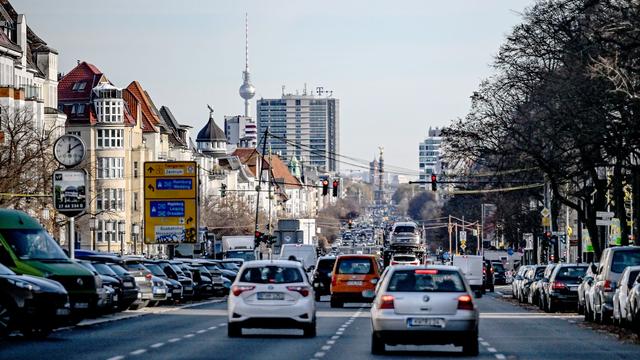
Berlin's transport policy, often referred to as the "Verkehrswende" (transport transition), is under scrutiny to evaluate the achievements of the city's Senate. The "Verkehrswende" aims to shift away from car-centric mobility towards more sustainable and environmentally friendly modes of transport, such as cycling, public transit, and walking. This policy initiative encompasses various measures, including the expansion of bicycle lanes, improvements to public transportation networks, and the implementation of traffic calming strategies in residential areas. The goal is to reduce traffic congestion, lower carbon emissions, and improve the quality of life for Berlin's residents. However, the effectiveness and pace of these changes are subjects of ongoing debate and public discussion. Critics often point to the slow progress in certain areas and the challenges in balancing the needs of different road users. Supporters highlight the positive impacts on air quality and the growing popularity of alternative transport options. The Senate's performance is being measured against its stated objectives for a greener and more efficient urban mobility system.
The "Verkehrswende" in Berlin represents a complex urban planning challenge, seeking to rebalance mobility priorities within a dense metropolitan environment. Evaluating its success requires a nuanced understanding of competing interests, including those of drivers, cyclists, public transit users, and pedestrians. The policy's effectiveness hinges on systemic implementation, such as the integration of new infrastructure with existing networks and the equitable distribution of resources. Future assessments should consider long-term trends in urban development, technological advancements in mobility, and evolving societal expectations for sustainable living. The transition's ultimate impact will be determined by its ability to foster a genuinely inclusive and efficient transport ecosystem that benefits all residents while aligning with broader climate goals.
AI-generated to prompt reflection — not editorial opinion, not advice, not a statement of fact. How this works.