Berlin's Transport Policy Under Fire: Fewer Bike Lanes, More Traffic Jams
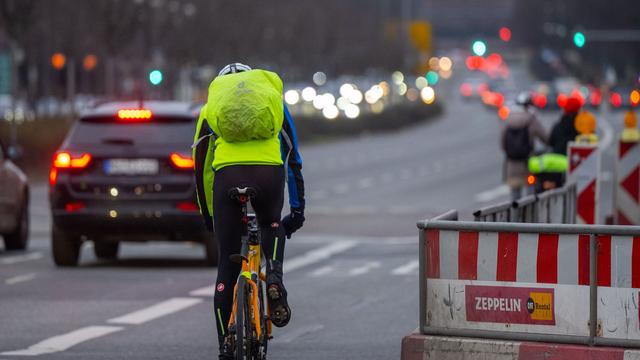
Berlin's transport policy is facing significant criticism, with accusations that a reduction in bicycle lanes has led to increased traffic congestion. The city's transport senator is at the center of this controversy. Critics argue that the current approach prioritizes car traffic over sustainable mobility options, resulting in gridlock on the roads. This shift away from dedicated cycling infrastructure is seen by many as a step backward for urban planning and environmental goals. The debate highlights a broader tension between accommodating traditional vehicle use and promoting greener transportation methods within the city. The increased traffic jams are not only causing delays for commuters but also raising concerns about air quality and noise pollution. The transport senator's office has yet to provide a comprehensive response to the growing public discontent. The situation underscores the complex challenges of managing urban traffic flow in a densely populated metropolis like Berlin. The effectiveness of the current transport strategy is being questioned, with calls for a re-evaluation of priorities.
The current transport strategy in Berlin appears to be creating a system dynamic where reducing infrastructure for one mode of transport (cycling) inadvertently increases congestion for another (automobiles). This outcome suggests a potential miscalculation in the expected trade-offs between different mobility solutions. The policy's focus may be inadvertently reinforcing reliance on private vehicles, counteracting broader sustainability objectives and potentially impacting economic efficiency through lost productivity due to traffic delays. Future urban planning may benefit from a more integrated approach that considers the ripple effects across all transportation networks, rather than optimizing for individual modes in isolation, especially in the context of evolving urban mobility demands and environmental imperatives.
AI-generated to prompt reflection — not editorial opinion, not advice, not a statement of fact. How this works.