Berlin Senator Calls for More Funds for Capital City Protection
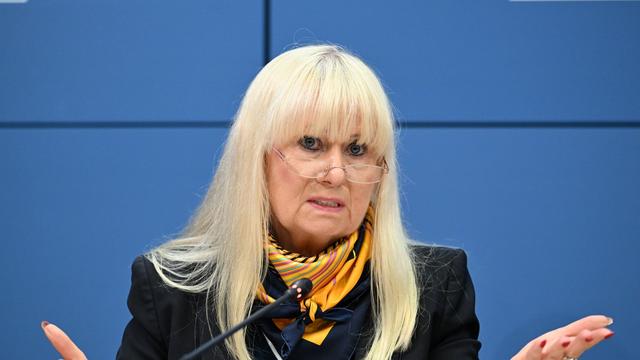
Berlin's Interior Senator, Iris Spranger, has stated that the German capital requires increased financial resources to ensure adequate protection for its buildings and infrastructure. This call comes amidst concerns over the security needs related to demonstrations and the general protection of public objects within the city. Spranger emphasized that the current budget is insufficient to meet the evolving security challenges faced by Berlin. The senator highlighted the importance of maintaining public order and safeguarding key sites, which necessitates substantial investment in security personnel, equipment, and technology. She indicated that the city is facing a growing number of events that require extensive security measures, placing a strain on existing resources. The senator's statement suggests a proactive approach to preemptively address potential security gaps and ensure the safety of citizens and visitors. Further details on the specific amount of funding needed or the proposed allocation of resources were not immediately available, but the senator's plea underscores the perceived urgency of the situation.
The call for increased funding for capital city protection in Berlin highlights a common tension between public safety demands and resource allocation. As cities worldwide grapple with evolving security threats, including the complexities of managing large-scale demonstrations and protecting critical infrastructure, governments face difficult decisions. This situation underscores the need for robust, adaptable security frameworks that can balance the rights of assembly with the imperative of maintaining order and safety. Future-oriented strategies may involve exploring innovative policing models, leveraging technology for enhanced situational awareness, and fostering stronger community partnerships to build resilience. The long-term challenge lies in developing sustainable funding mechanisms that can address these escalating security needs without unduly burdening taxpayers or compromising other essential public services.
AI-generated to prompt reflection — not editorial opinion, not advice, not a statement of fact. How this works.