Bertoua University Pursues UNESCO Chair to Boost Scientific Influence
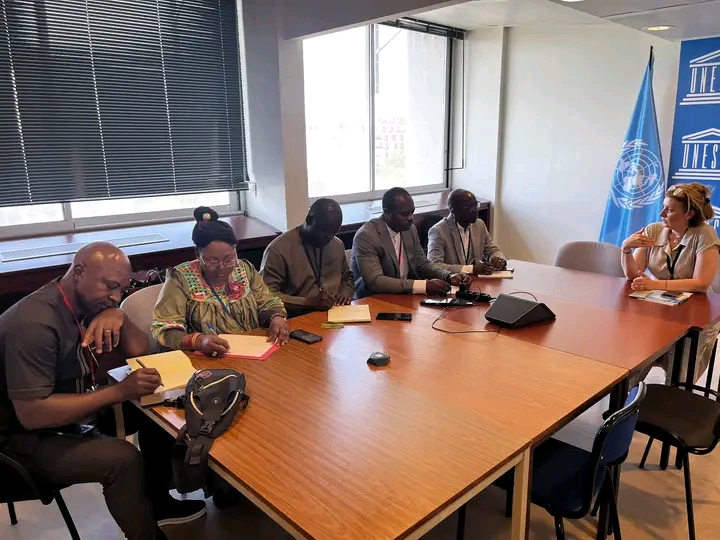
A delegation from the University of Bertoua (UBe) has initiated discussions with UNESCO in Paris to establish a UNESCO Chair at the institution. This move, mandated by Rector Pr Dieudonné Emmanuel Pegnyemb, aims to enhance the Cameroonian university's international academic standing and cooperation. The delegation, received at UNESCO headquarters on June 22, 2026, was led by the cultural affairs advisor of Cameroon's Embassy in France and included academic leaders such as Pr Yannick Serge Nkoulou, Pr Robert Mballa Owona, and Pr Guy Richard Kol, along with Henri Martin Martial Ntah à Matsah. Discussions with Inga Nichanian, Director of the UNESCO Chairs Programme and UNITWIN network, focused on application procedures and eligibility criteria. The goal is to align the proposed chair's project with both UBe's scientific priorities and UNESCO's strategic objectives. UNESCO Chairs facilitate global university collaboration in education, research, and knowledge transfer, uniting experts on worldwide issues and fostering international academic partnerships. For Cameroonian universities, such a chair serves as a crucial tool for visibility and attractiveness, expanding access to global scientific networks, promoting faculty and researcher mobility, aiding funding acquisition, and boosting scientific output. By pursuing this initiative, the University of Bertoua is laying the groundwork for a project that could significantly strengthen its position within the international academic landscape.
The University of Bertoua's pursuit of a UNESCO Chair signifies a strategic effort to integrate into global academic networks, leveraging international recognition and collaboration to enhance research and educational capacity. This initiative reflects a broader trend among developing institutions seeking to overcome resource limitations and gain visibility on the world stage. The process highlights the importance of institutional partnerships and adherence to international standards for scientific advancement. Future success will likely depend on the university's ability to align its research agenda with UNESCO's priorities, secure sustainable funding, and foster genuine cross-border scholarly exchange, thereby contributing to both local development and global knowledge production.
AI-generated to prompt reflection — not editorial opinion, not advice, not a statement of fact. How this works.