Best Pizzaiolo in Latin America Shares Home Pizza Recipe
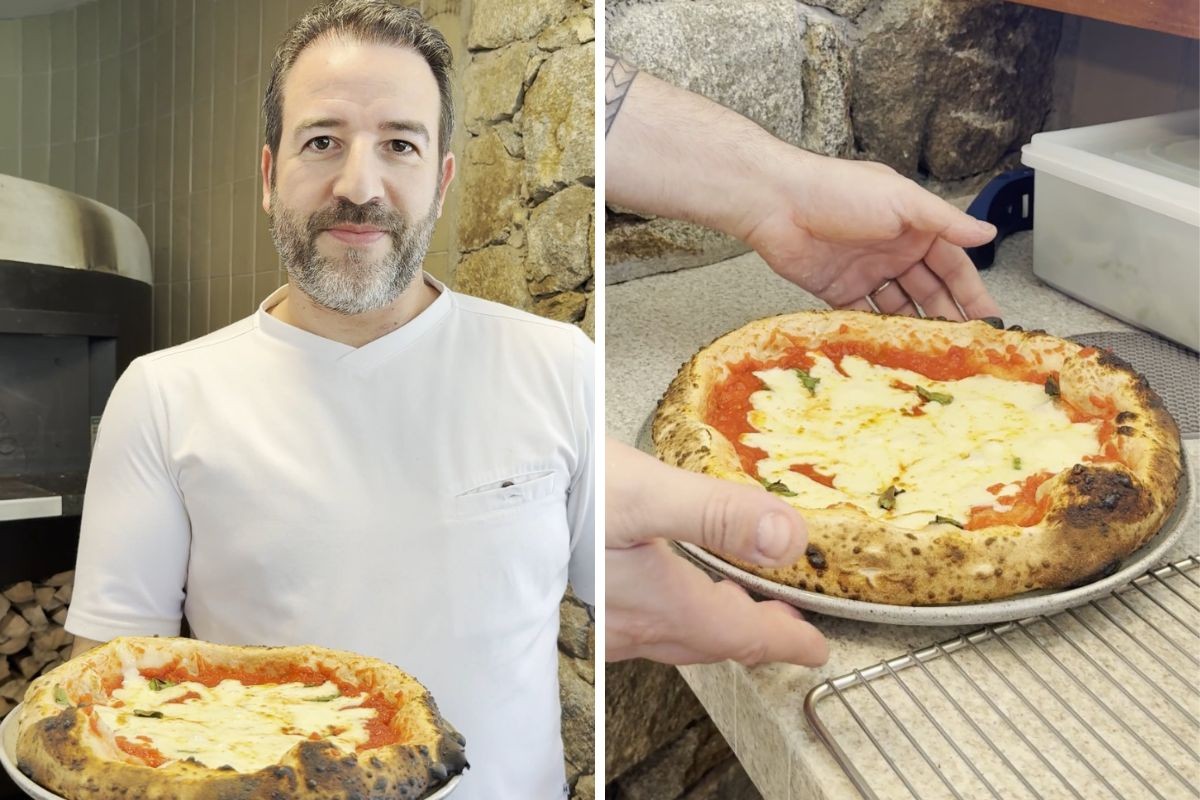
On Pizza Day, celebrated on Friday, July 10th, Italian chef Dani Branca, based in Guaratinguetá, São Paulo, and recognized as the best pizzaiolo in Latin America, demonstrated how to make a professional Neapolitan pizza at home using common ingredients and utensils. Branca, who has been ranked among the world's top 100 pizzaiolos for four consecutive years, achieved 42nd place in The Best Pizza Awards 2026. His recipe for the dough requires only four ingredients: 1 kg of flour, 630 ml of water, 3 g of fresh yeast, and 25 g of salt. Patience is key, particularly for the fermentation process. The dough preparation involves mixing water, salt, and yeast, gradually adding flour, kneading until it's no longer sticky, and then resting it for 15 minutes. Afterward, the dough is divided into six portions, shaped into smooth balls, and refrigerated for 24 hours. For assembly, the dough is pressed to form the base, topped with tomato sauce, basil, and fior di latte cheese, and baked in a preheated oven at maximum temperature for 5 to 8 minutes. Chef Branca also offers optional tips, such as using a refractory stone, pre-baking the crust, or assembling the pizza directly in the baking dish.
This recipe highlights the accessibility of high-quality culinary techniques, demonstrating that professional results can be achieved with basic ingredients and careful process adherence. The emphasis on long fermentation and specific ingredient ratios underscores the scientific principles underlying artisanal food production. As AI continues to optimize food science and preparation, understanding these foundational techniques becomes crucial for both human chefs and automated systems. The chef's consistent improvement in global rankings suggests a potential for innovation within established culinary frameworks, prompting consideration of how future advancements might further democratize gourmet food creation, potentially impacting traditional food industries and consumer expectations.
AI-generated to prompt reflection — not editorial opinion, not advice, not a statement of fact. How this works.