Betim Launches Rabies Vaccination Drive After Bat Tests Positive
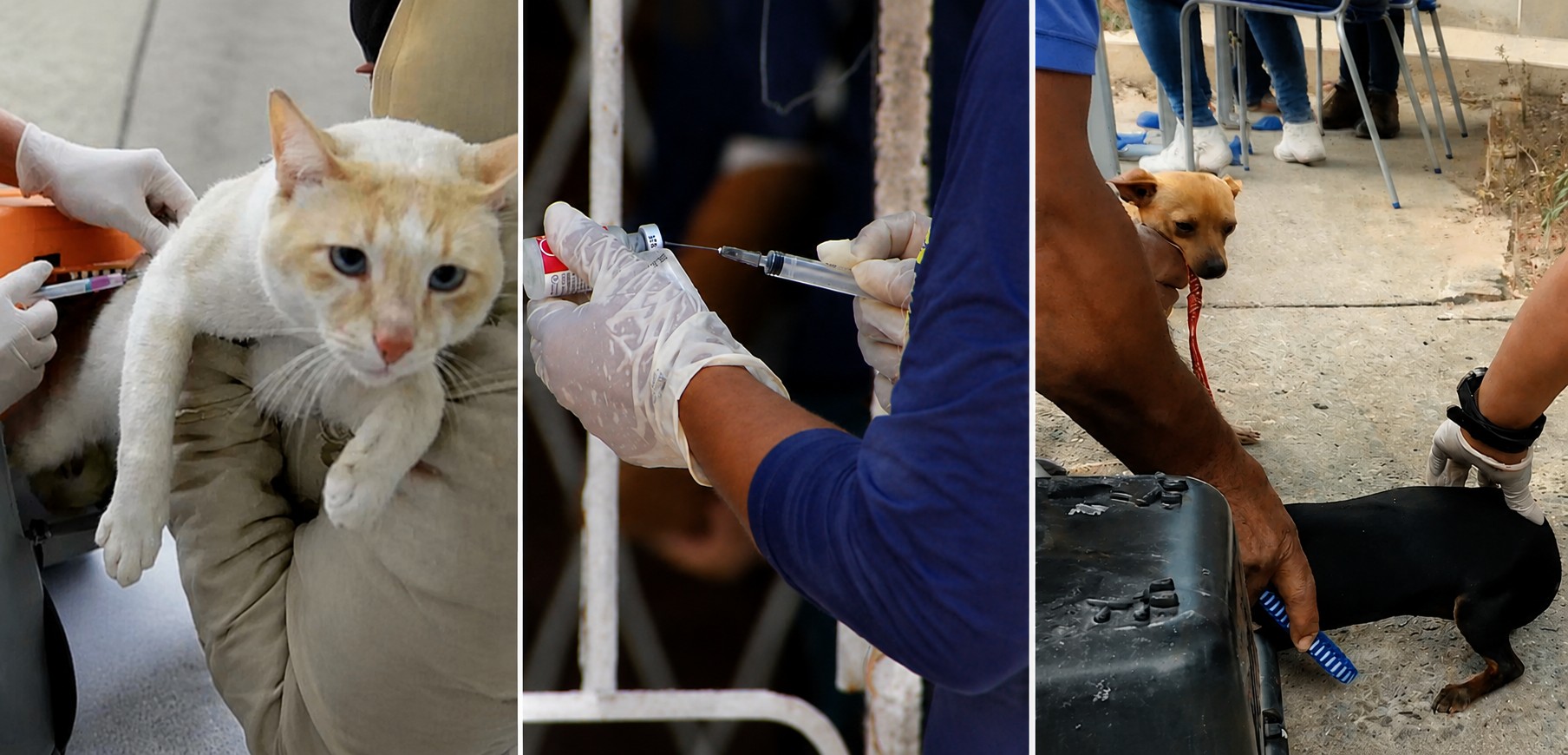
The municipality of Betim, Brazil, is initiating a rabies vaccination campaign for dogs and cats in the Alterosas – 1ª Seção neighborhood following the confirmation of a rabies case in a bat. The initiative begins on Saturday, March 18th, and will immunize pets within a 500-meter radius of where the infected bat was discovered. The bat was found deceased near a dog on Rua Silves and was subsequently collected by the Zoonotic Surveillance Unit (UVZ). After being sent to a reference laboratory in Belo Horizonte, the bat tested positive for the rabies virus. Due to direct contact with the infected bat, the dog was recommended for euthanasia according to Ministry of Health protocols. However, the dog's owner refused the procedure, and the animal will now undergo a 180-day isolation period under monitoring. The vaccination effort will run from 8 AM to 12 PM on Saturday, with subsequent outreach throughout the following week from 8 AM to 5 PM. Betim has 1,925 doses of animal rabies vaccine available for this operation. Health authorities advise residents not to handle bats, even if found dead, and emphasize that vaccinating pets is crucial for preventing rabies transmission to humans, a disease with a high fatality rate once symptoms appear. For concerns or unusual bat encounters, the public can contact the Zoonotic Surveillance Unit via phone or WhatsApp.
This public health response in Betim highlights the critical role of municipal surveillance and rapid intervention in managing zoonotic disease outbreaks. The proactive vaccination campaign aims to establish herd immunity within the affected pet population, serving as a vital buffer against further transmission, particularly to humans, as bats are a primary vector for rabies in the region. The incident also underscores the complexities of public health protocols when they intersect with pet owner autonomy, as seen in the case of the dog that had direct contact with the infected bat. While the protocol recommended euthanasia, the owner's decision necessitates extended monitoring and containment measures, presenting a challenge for resource allocation and public health management. Looking ahead, such events emphasize the ongoing need for robust public education on safe interaction with wildlife and the importance of adhering to established veterinary public health guidelines to mitigate risks effectively in urban environments.
AI-generated to prompt reflection — not editorial opinion, not advice, not a statement of fact. How this works.