Better Insulation: A 'Giant Blanket' Reducing Energy Costs for Homes and the Grid
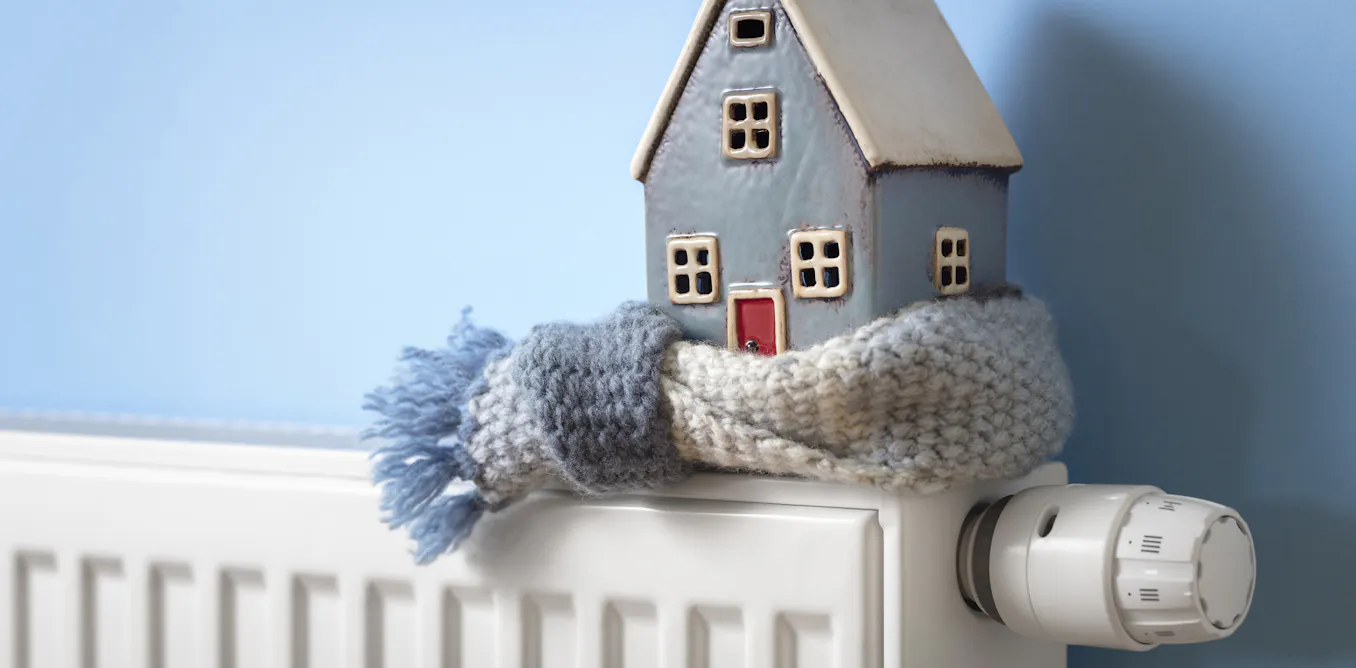
Improved home insulation acts like a 'giant blanket,' significantly reducing energy consumption for both individual households and the broader electricity grid. This expert explanation highlights the dual benefits of enhanced insulation, emphasizing its role in lowering energy bills for consumers while simultaneously easing the strain on energy infrastructure. By preventing heat loss in winter and heat gain in summer, well-insulated homes require less energy for heating and cooling. This reduced demand translates directly into cost savings for homeowners. Furthermore, the collective impact of widespread better insulation can lead to a more stable and efficient electricity grid. Less demand means less need for peak power generation, which is often more expensive and less environmentally friendly. This approach offers a practical solution to managing energy costs and improving grid reliability.
Enhancing building insulation represents a systemic approach to energy efficiency, addressing both consumer costs and grid stability. From a market perspective, investing in insulation provides a tangible return through reduced energy bills, incentivizing adoption. For grid operators, widespread insulation mitigates peak demand, potentially deferring costly infrastructure upgrades and reducing reliance on less efficient peaker plants. Looking ahead, as electrification increases and demand for cooling rises with climate change, insulation will become even more critical in managing load and ensuring grid resilience. Policy frameworks that encourage or mandate higher insulation standards could accelerate these benefits, fostering a more sustainable and affordable energy future.
AI-generated to prompt reflection — not editorial opinion, not advice, not a statement of fact. How this works.