Beyoncé's Sister Solange Knowles Shares Photo of Iemanjá Sculpture in Vitória
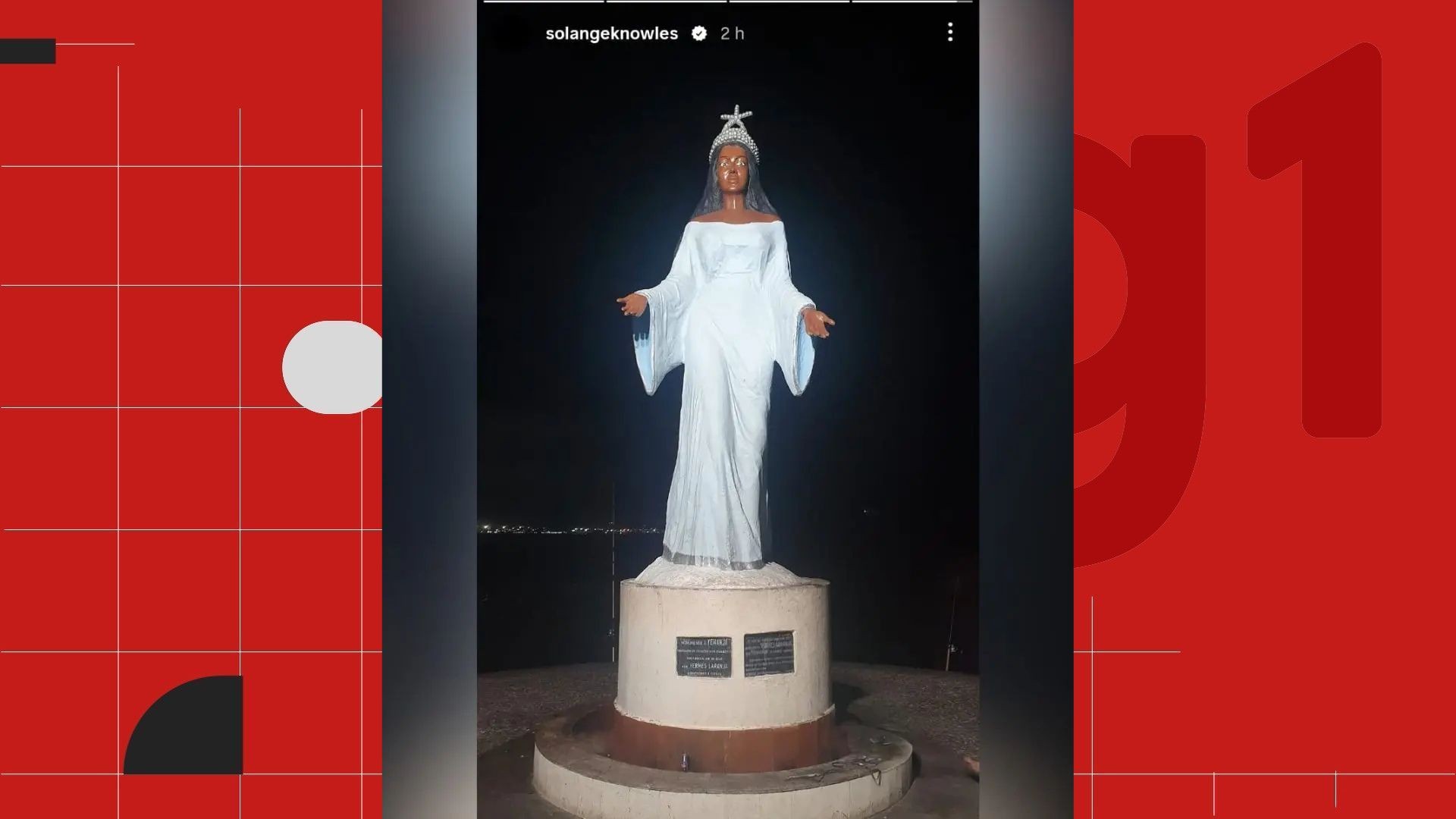
Solange Knowles, sister of global music icon Beyoncé, recently shared a photograph of the Iemanjá sculpture located on the Camburi Pier in Vitória, Espírito Santo, Brazil. The image was posted to her Instagram stories on Saturday, November 5th. This post generated significant excitement among residents of Espírito Santo and fans of the Knowles-Carter family. However, there has been no official confirmation of Solange Knowles' presence in the state. The photograph appears to be from September 16, 2023, and visual comparisons suggest it may have been edited to remove fishing rods that were present in an earlier version of the image. Solange Knowles is known to practice and honor Iemanjá, an Orisha revered in Afro-Brazilian religions, a connection even referenced by Beyoncé in her song "Black Parade." The Iemanjá statue in Vitória is approximately 40 years old, having been commissioned in 1988 by then-Mayor Hermes Laranja to honor Afro-Brazilian religious practitioners. Standing 3.60 meters tall on its base, the sculpture is a significant cultural landmark. The Camburi Pier itself, inaugurated in 1988 alongside the Iemanjá monument, was initially designed to combat coastal erosion issues attributed to changes in current patterns near Tubarão Port. It was subsequently institutionalized as a tourist attraction, celebrating Afro-Brazilian heritage.
The sharing of the Iemanjá sculpture's image by Solange Knowles highlights the intersection of global celebrity, cultural heritage, and digital platforms. While the post may appear as a simple personal sharing, it carries significant cultural weight, drawing international attention to a local Afro-Brazilian religious monument. This event underscores the power of social media to elevate cultural symbols and foster a sense of connection across geographical and cultural divides. From a systems perspective, it demonstrates how individual actions, amplified by digital networks, can influence perceptions of cultural heritage and religious practices. The attention drawn could potentially lead to increased tourism or cultural exchange, but it also raises questions about the responsible representation and commodification of sacred symbols in the digital age. The potential for image editing also points to the evolving nature of digital authenticity and how historical records are presented and consumed online.
AI-generated to prompt reflection — not editorial opinion, not advice, not a statement of fact. How this works.