Beyond Blame: Rethinking National Frustrations After Senegal's Elimination
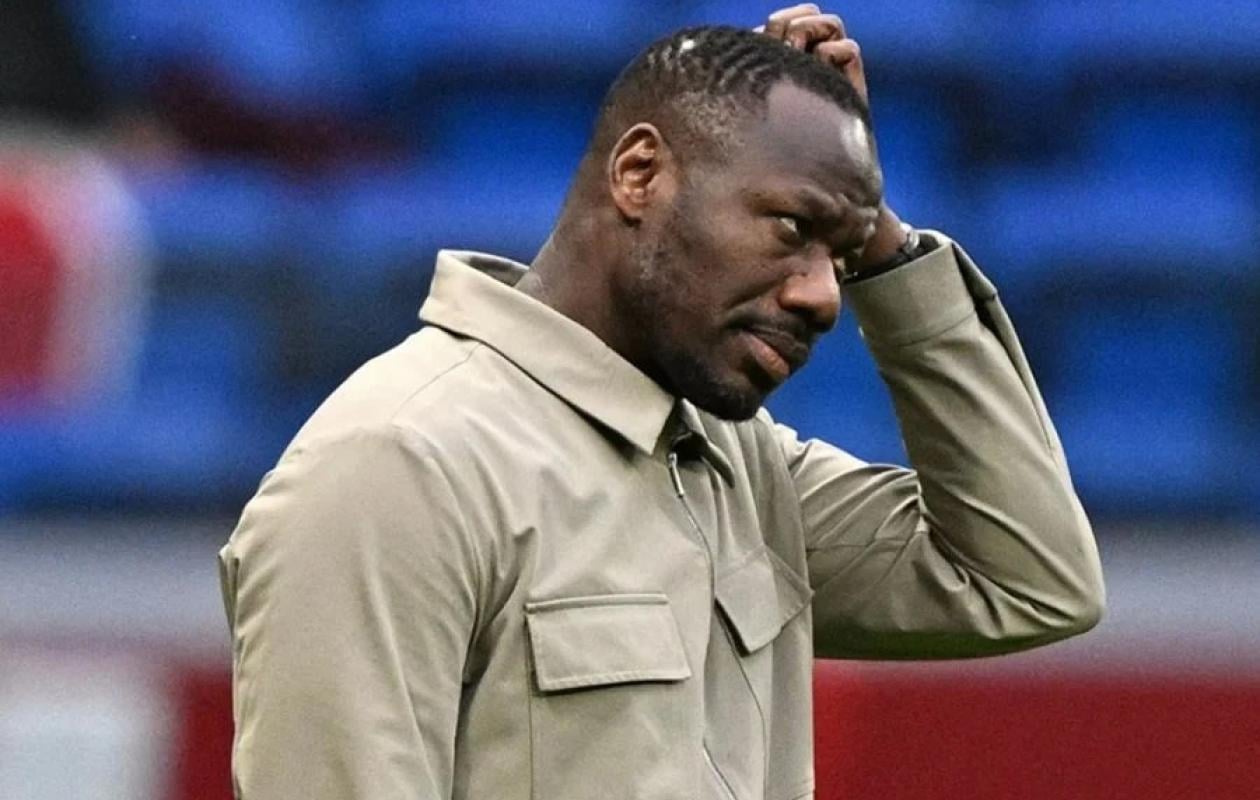
Following Senegal's elimination from a competition, the nation has sought a scapegoat, with coach Pape Thiaw becoming the focal point of collective frustration. The author questions the tendency to attribute national shortcomings to a single individual, suggesting that this approach oversimplifies complex issues. Thiaw was quickly transformed from a national coach into a symbol of broader frustrations, implying that one man could single-handedly encapsulate the limitations of an entire country. This perspective overlooks the multifaceted nature of national performance and the systemic factors that contribute to both success and failure. The article aims to explore this phenomenon further, prompting a deeper reflection on how national disappointments are processed and attributed.
The tendency to assign blame to a single individual, such as a coach, following national team failures reflects a common psychological and societal pattern of seeking simple explanations for complex outcomes. This approach can obscure underlying systemic issues in areas like player development, strategic planning, and resource allocation within national sports organizations. Focusing on individual accountability risks diverting attention from the necessary reforms and investments required to foster sustainable improvement. Moving forward, a more constructive approach would involve analyzing the broader organizational and societal structures that influence national performance, thereby identifying opportunities for systemic enhancement rather than solely focusing on individual culpability.
AI-generated to prompt reflection — not editorial opinion, not advice, not a statement of fact. How this works.