Beyond Bus Colors: Challenging State-Imposed Divisions
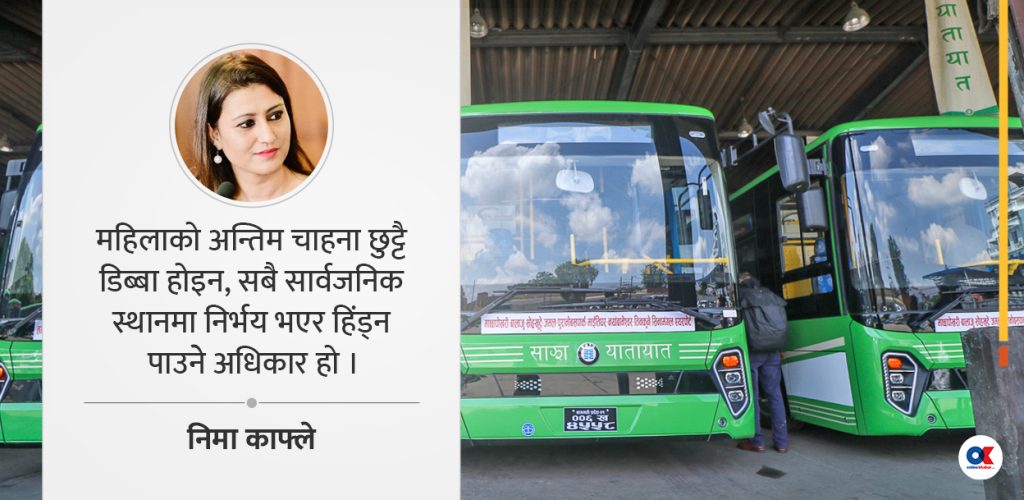
The article questions the rationale behind segregating public transportation based on bus colors, posing a rhetorical question about whether this division will extend to other public spaces. It asks if the intention is to eventually divide parks, offices, schools, universities, and other public areas. If such a broad division is not intended, the author argues, then singling out public transport for such segregation is illogical.
The core of the argument lies in challenging the discriminatory nature of such policies. The author implies that if the state's intention is not to create widespread segregation, then the policy targeting public buses is arbitrary and unfair. This raises concerns about the underlying thought process and potential for further division within society based on superficial distinctions.
The policy of color-coding public buses appears to be a superficial attempt to manage social or ethnic divisions, rather than addressing their root causes. Such measures risk creating a false sense of order while perpetuating underlying societal tensions. By focusing on visible distinctions like bus colors, the state may be avoiding more complex and effective strategies for integration and equitable resource distribution. This approach could inadvertently reinforce segregationist thinking and normalize the idea of 'separate but equal,' which history has shown to be inherently unequal and unsustainable. Future policy should prioritize inclusive infrastructure and community-building initiatives that foster genuine social cohesion, rather than relying on cosmetic fixes that could lead to further fragmentation.
AI-generated to prompt reflection — not editorial opinion, not advice, not a statement of fact. How this works.