Beyond Deforestation: Diseases Also Threaten Brazilian Wild Cats
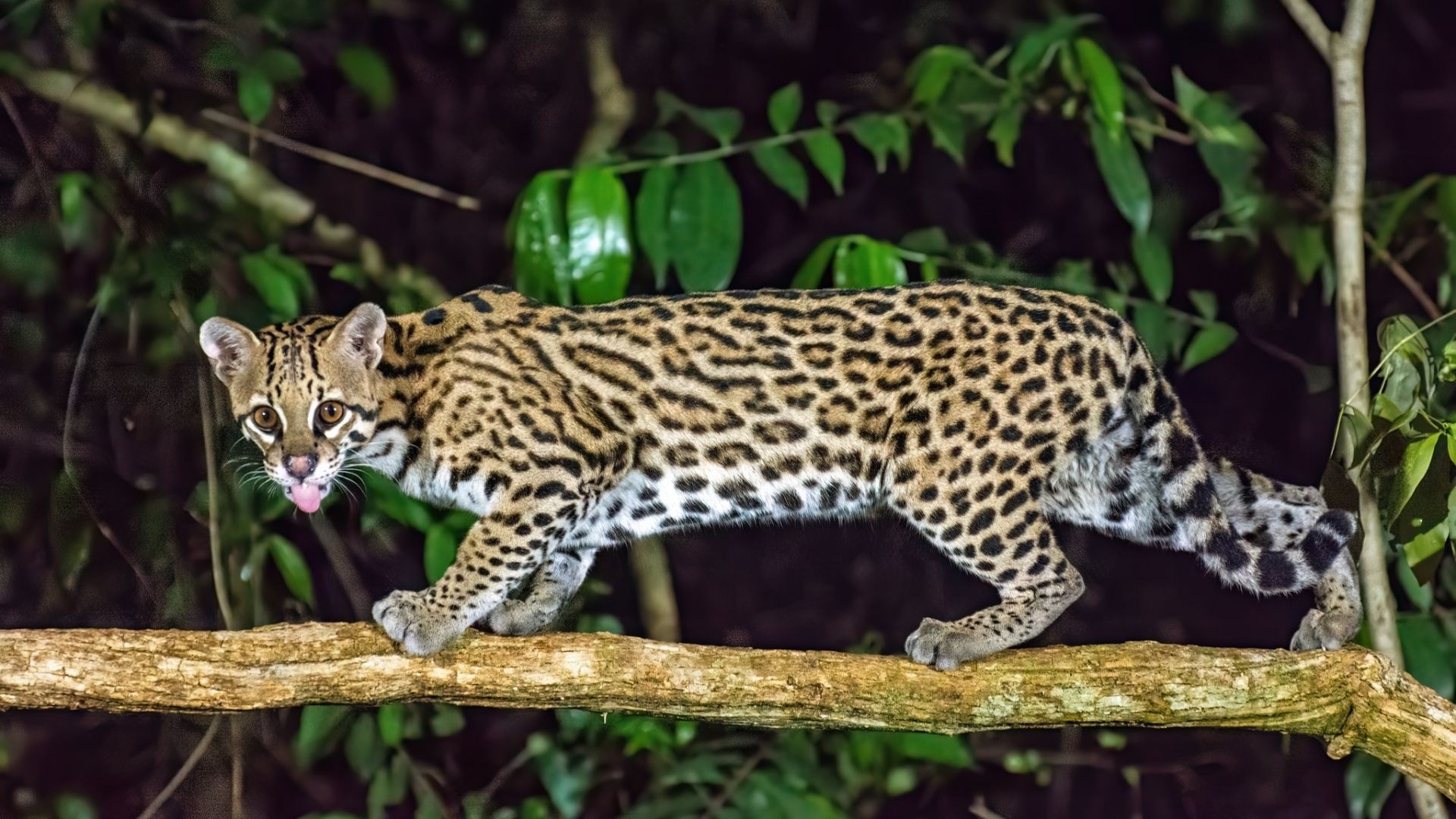
Researchers are highlighting a lesser-known threat to Brazil's wild feline populations: the transmission of diseases from domestic cats. While deforestation, fires, and illegal trafficking are commonly recognized dangers, scientific reviews indicate that species like jaguars, ocelots, and pumas can share infectious agents with domestic cats, particularly in areas where urban development encroaches on natural habitats. Key concerns include toxoplasmosis, caused by *Toxoplasma gondii*, as well as feline immunodeficiency virus (FIV), feline leukemia virus (FeLV), panleukopenia, herpesvirus, and calicivirus. These pathogens have already been detected in wild felines. Transmission doesn't always require direct contact; for instance, domestic cats are definitive hosts for toxoplasmosis, shedding resistant oocysts in their feces that can contaminate soil, water, and food. Wild felines can also spread the parasite, maintaining the disease cycle in nature. Habitat loss, fragmentation, urban expansion, and even fires increase the proximity between domestic animals and wildlife, facilitating pathogen spillover. This poses a risk not only to wild felines but also to public health, as toxoplasmosis can affect humans. Integrated 'One Health' approaches are crucial, recognizing the interconnectedness of animal, human, and environmental health. Simple preventive measures, such as keeping domestic cats indoors, providing proper nutrition and veterinary care, and managing their waste, can significantly reduce disease transmission risks. Further research on free-ranging wild felines is needed to better understand disease circulation and its impact on endangered species.
This research underscores the complex, interconnected nature of ecological and public health challenges arising from human encroachment on natural habitats. The 'spillover' of diseases from domestic animal populations to wildlife, and vice-versa, represents a critical systemic risk amplified by habitat fragmentation and urbanization. This phenomenon highlights the need for proactive, integrated public health strategies that consider the health of domestic animals, wildlife, and humans as a single, interdependent system. Future conservation efforts must account for these zoonotic disease dynamics, recognizing that the health of wild populations is intrinsically linked to the management of domestic animal populations and the preservation of natural ecosystems. Addressing these challenges requires a shift towards more sustainable land-use planning and a deeper understanding of pathogen transmission pathways in increasingly human-dominated landscapes.
AI-generated to prompt reflection — not editorial opinion, not advice, not a statement of fact. How this works.
