Beyond Development and Racism: The Science of the Mangrove Forest
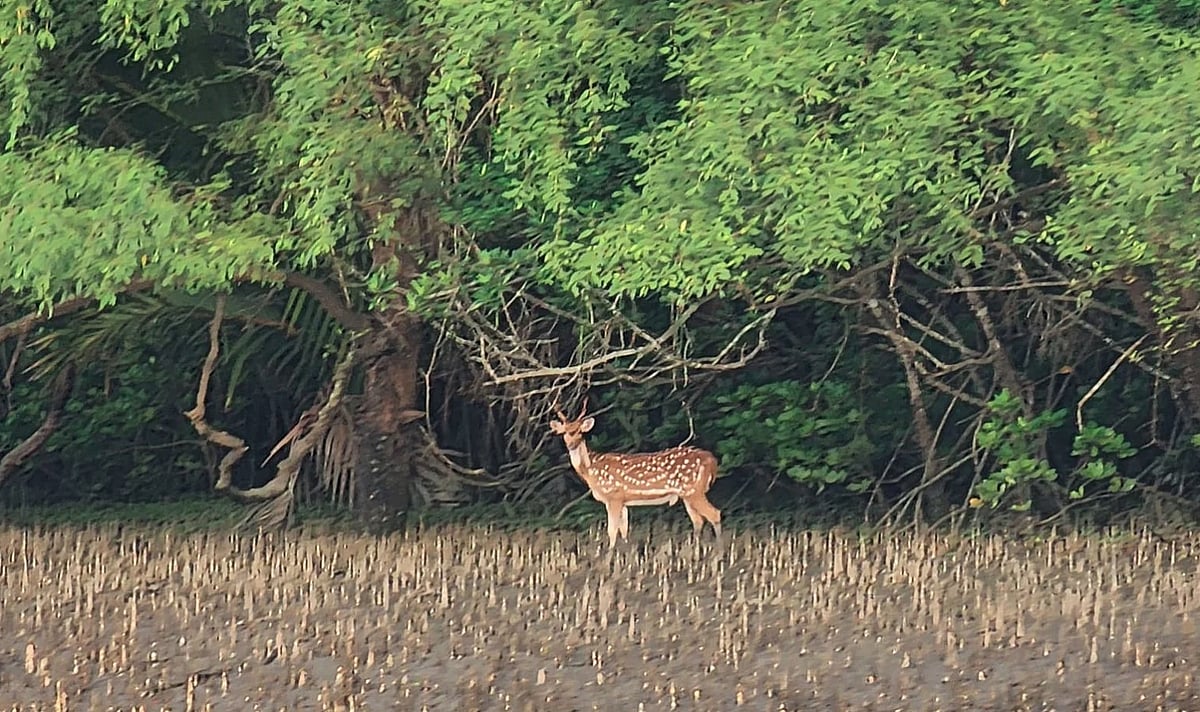
Despite being the world's largest mangrove forest, the state's philosophical stance on the Sundarbans remains unclear. Much of the research and projects concerning the forest have historically viewed it through a colonial lens. This perspective often prioritizes resource extraction and control over ecological preservation and local community well-being. The original framing fails to acknowledge the unique biodiversity and the intricate ecosystem services the Sundarbans provide. It also overlooks the rights and traditional knowledge of the indigenous communities who depend on the forest. Moving beyond this outdated paradigm is crucial for effective conservation and sustainable management of this vital natural heritage. A new approach is needed that recognizes the scientific value and intrinsic worth of the mangrove ecosystem. This shift will allow for policies that are more equitable and environmentally sound. The goal is to foster a deeper understanding and appreciation for the Sundarbans, moving past colonial-era exploitative frameworks.
The historical framing of the Sundarbans through a colonial lens suggests a persistent bias towards resource exploitation over ecological stewardship. This approach often overlooks the complex interdependencies within the mangrove ecosystem and the rights of local communities. Future policy and research should prioritize a scientific understanding that integrates ecological, social, and economic factors. This requires moving beyond nationalistic or exploitative frameworks to embrace a more holistic and sustainable model of governance. Such a model would acknowledge the Sundarbans not just as a resource, but as a vital natural system with intrinsic value, crucial for regional climate resilience and biodiversity.
AI-generated to prompt reflection — not editorial opinion, not advice, not a statement of fact. How this works.