Beyond Hormuz: Are There Viable Alternatives for Persian Gulf Oil and Gas Transport?
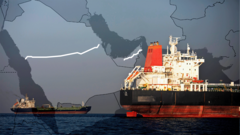
Experts are questioning whether alternative routes exist to maintain oil and gas transport from the Persian Gulf, particularly given the strategic importance of the Strait of Hormuz. While other options may be available, they are unlikely to fully replace the Strait of Hormuz's role. Approximately one-quarter of the world's oil is transported by sea, and the Strait of Hormuz serves as a critical chokepoint for this global trade. Any disruption to this vital waterway could have significant implications for global energy markets and supply chains. The discussion highlights the ongoing challenges in securing energy routes and the potential vulnerabilities associated with reliance on a single, narrow passage for such a substantial portion of global energy exports.
The reliance on the Strait of Hormuz for a significant portion of global oil transport presents a clear systemic vulnerability. While alternative routes may exist, their capacity and cost-effectiveness are unlikely to match the established infrastructure and strategic advantage of the Strait. This situation underscores the tension between geopolitical stability and the efficiency of global energy markets. Future considerations should focus on diversifying energy infrastructure and transport networks to mitigate risks associated with chokepoints, potentially through increased investment in pipelines or the development of alternative energy sources that reduce reliance on seaborne crude oil.
AI-generated to prompt reflection — not editorial opinion, not advice, not a statement of fact. How this works.