Beyond 'Nobody is Nobody': Lessons from the World Cup on Argentine Identity
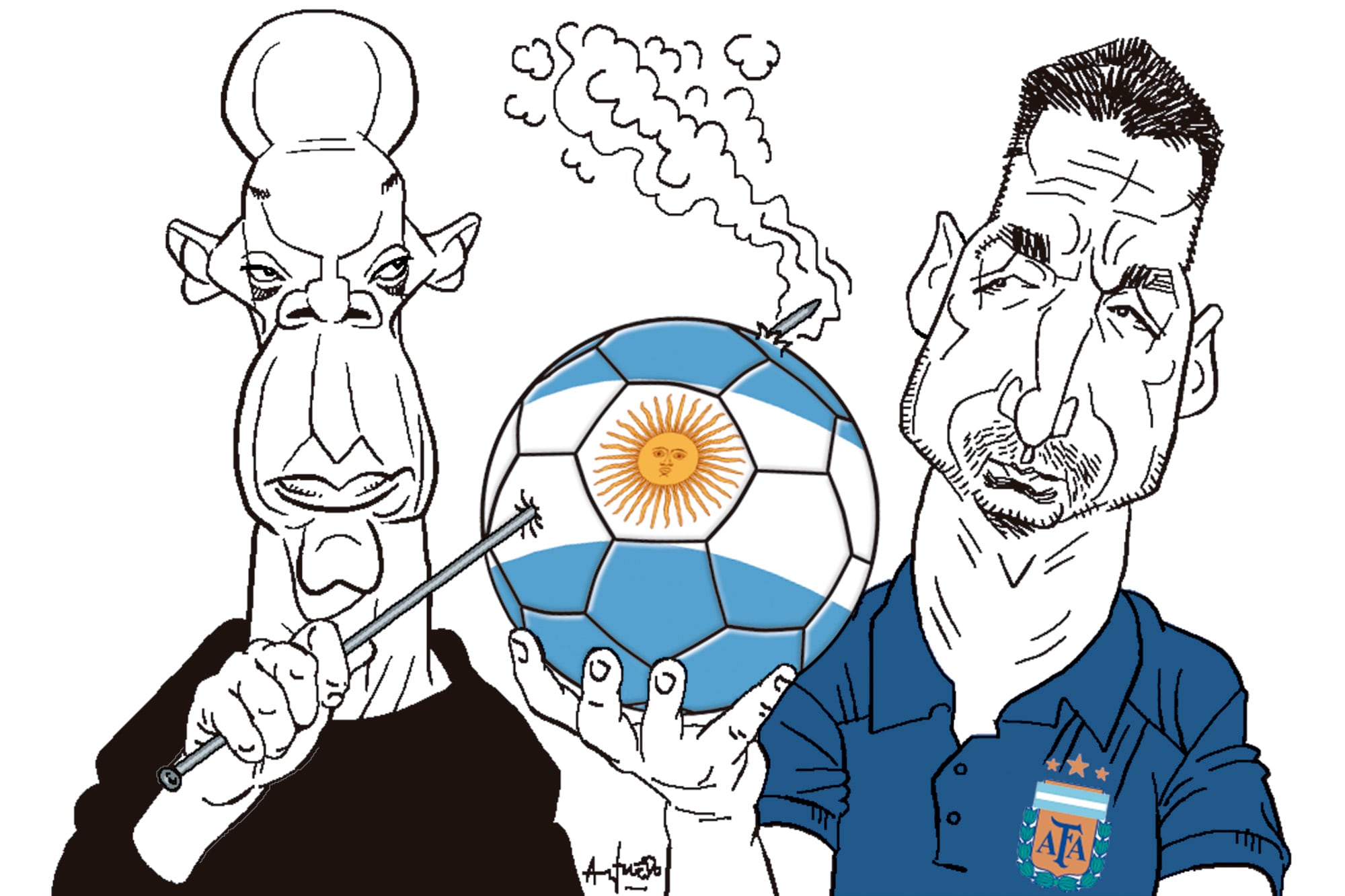
The World Cup has sparked significant discussions about the Argentine national identity, moving beyond simplistic notions of individual worth. The phrase 'Naides es más que naides,' which translates to 'Nobody is more than nobody,' encapsulates a core lesson from the tournament. This sentiment emphasizes collective strength and the idea that every individual contributes to the national spirit. The debates surrounding this concept delve into the very essence of Argentine idiosyncrasy. It highlights how shared experiences, like the World Cup, can serve as a powerful mirror reflecting and shaping cultural values. The tournament provided a platform for introspection, allowing Argentines to examine their collective psyche and reaffirm their sense of belonging. Ultimately, the discussions underscore the importance of unity and mutual respect in defining national character. The cultural and historical perspective offered by these debates reveals a deeper understanding of what it means to be Argentine.
The World Cup's impact on national identity discussions in Argentina highlights the potent role of sporting events in shaping collective consciousness. The phrase 'Naides es más que naides' suggests a cultural emphasis on egalitarianism and collective achievement, potentially serving as a counterpoint to individualistic narratives. This focus on shared identity can foster social cohesion, but it also presents a potential trade-off: an overemphasis on collective identity might inadvertently stifle individual expression or critical dissent. As societies increasingly grapple with defining themselves in a globalized world, the dynamics between collective belonging and individual agency will remain a critical area of study. The ability of national narratives, amplified by events like the World Cup, to unite populations while respecting diverse perspectives will be a key determinant of future social stability and progress.
AI-generated to prompt reflection — not editorial opinion, not advice, not a statement of fact. How this works.