Beyond Property Damage: Health Risks from Chile's Floods and Storms
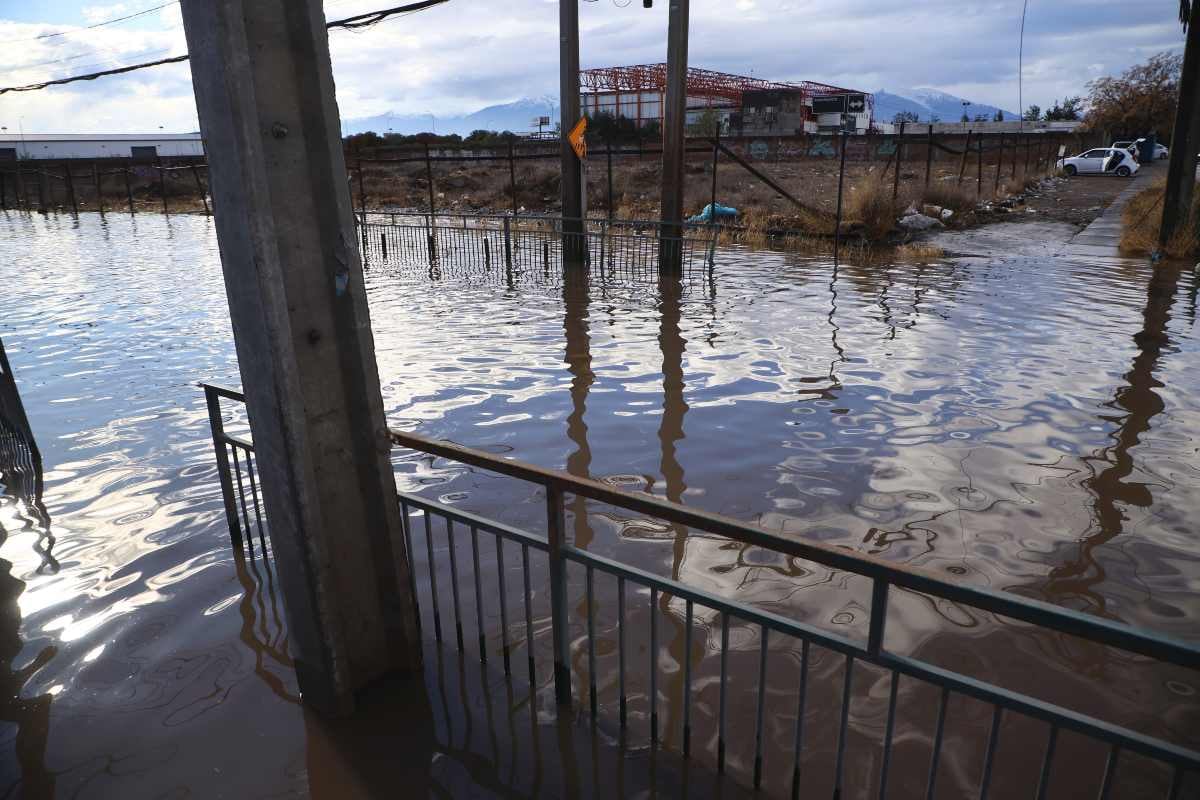
Chile is facing significant health risks beyond material damage due to recent heavy rains, flooding, and power outages. These weather events can increase the likelihood of various diseases. A pediatrician has provided guidance on how to prevent infections, fungal conditions, and illnesses associated with contaminated water following the severe weather.
Preventative measures are crucial for mitigating health impacts. Families should be aware of the potential dangers posed by standing water, which can become breeding grounds for pathogens. Proper sanitation and hygiene practices are essential to avoid the spread of waterborne diseases. The advice aims to equip the public with the knowledge to protect themselves and their families from the lingering health threats associated with the widespread flooding and storms.
The recent extreme weather events in Chile highlight a critical intersection of climate vulnerability and public health infrastructure. While immediate responses focus on property and essential services, the long-term health consequences, particularly from contaminated water and increased disease vectors, represent a significant systemic challenge. Future urban planning and disaster preparedness strategies must integrate robust public health protocols to address these recurring risks. This includes investing in resilient water and sanitation systems and developing proactive public health campaigns that can be rapidly deployed during and after climate-related emergencies, ensuring that the health of affected populations remains a central pillar of disaster management.
AI-generated to prompt reflection — not editorial opinion, not advice, not a statement of fact. How this works.