Beyond the Flames: Modernizing Fire Prevention and Response
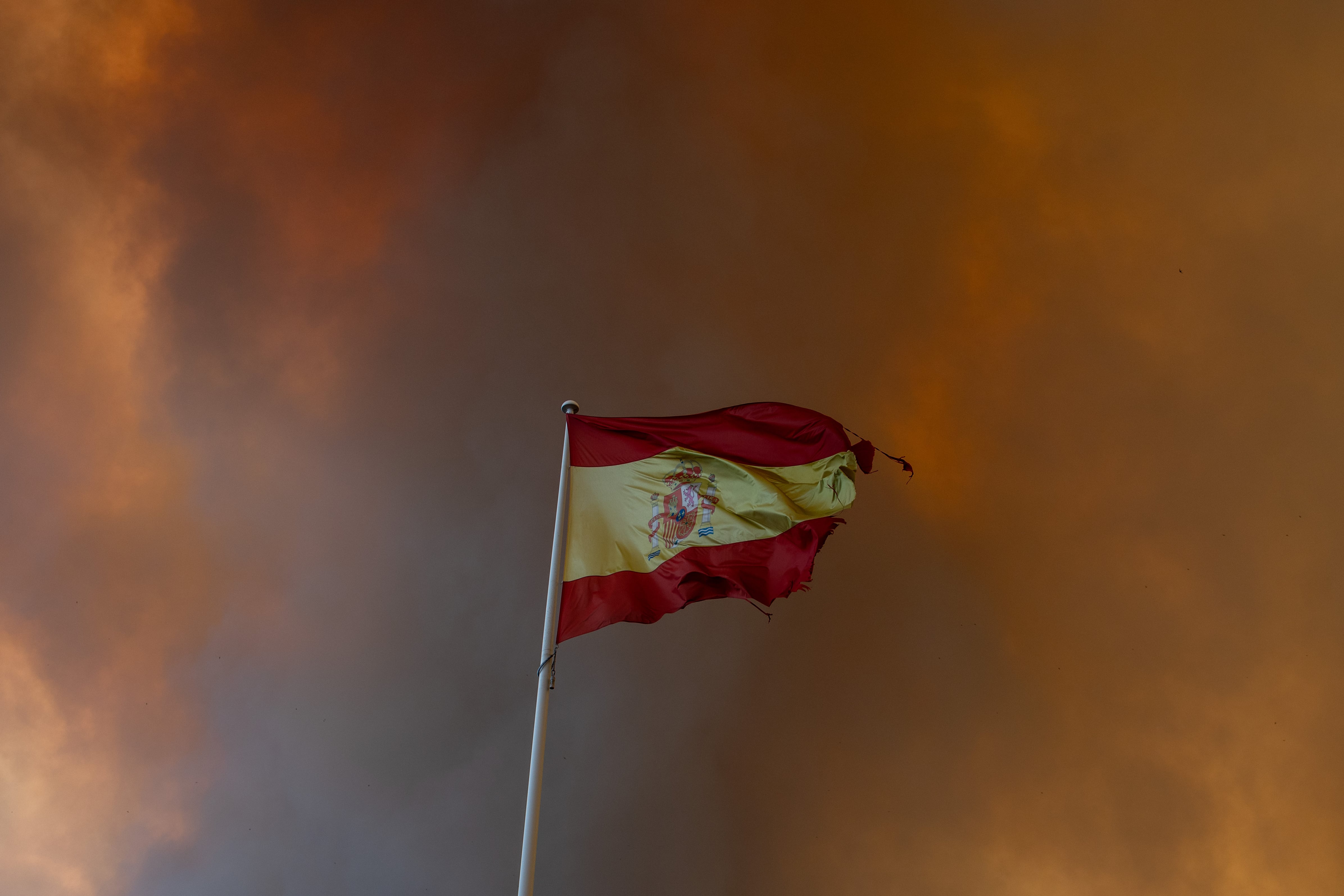
The immediate priority following wildfires is to control the blazes and provide aid to those affected. However, a critical long-term strategy involves modernizing methods for both fire prevention and extinction. This means moving beyond reactive measures to implement more sophisticated and proactive approaches to wildfire management. Such modernization could encompass advancements in early detection systems, improved resource allocation for firefighting efforts, and the development of innovative techniques to suppress fires more effectively. It also implies a need for updated strategies in land management and community preparedness to mitigate the risk and impact of future fires. The focus must shift towards building resilience and ensuring that response mechanisms are equipped for the challenges posed by evolving environmental conditions.
The immediate aftermath of significant wildfires necessitates a dual focus on containment and humanitarian relief. Looking ahead, the imperative to modernize prevention and extinction methodologies highlights a systemic challenge. This involves evaluating current resource allocation, technological adoption, and strategic planning against the backdrop of increasing climate volatility. Investing in advanced detection, predictive modeling, and adaptive suppression techniques could enhance resilience. Furthermore, fostering inter-agency cooperation and community engagement in preparedness efforts are crucial for a comprehensive approach. The long-term efficacy hinges on integrating scientific insights with policy frameworks to create sustainable wildfire management strategies for the coming decade.
AI-generated to prompt reflection — not editorial opinion, not advice, not a statement of fact. How this works.