Beyond the Piscola: Exploring Chile's Pisco Heritage
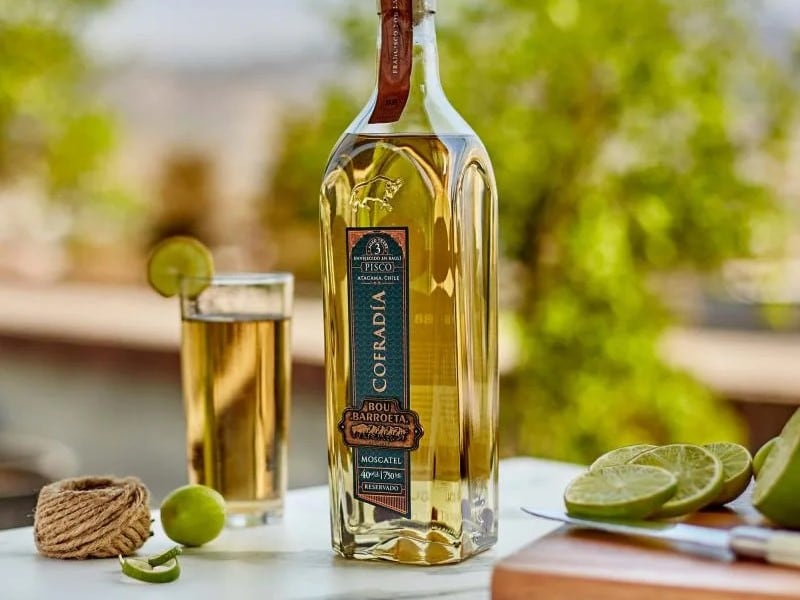
As September approaches, Chile anticipates its traditional spring festival season, a time of fondas, empanadas, and wine. However, the ubiquitous piscola, a mix of pisco and cola, represents a comfortable but limiting choice that overshadows the true diversity of pisco itself. Pisco is cultivated in the Atacama and Coquimbo regions of Chile, spanning the valleys of Copiapó, Huasco, Elqui, Limarí, and Choapa. This geographical spread results in a rich variety of flavors, colors, and aromas, forming a complex universe of pisco production.
The piscola, while popular, lacks subtlety and masks the nuanced character of the spirit. While there are superior piscolas, the spirit itself offers far more than this single application. For instance, Maria's, a 40-degree pisco from Fundo El Rosario near Alto del Carmen in the Huasco Valley, Atacama, made from pure muscatel grapes, showcases the spirit's potential when tasted neat. This experience reveals the complex flavor profile and the direct connection to the landscape from which it originates.
The author argues that pisco should be the cornerstone of a significant gastronomic tourism industry across its production valleys. This would not only promote the spirit's diverse offerings but also foster a deeper appreciation for the many pisco varieties that deserve recognition beyond their use in the piscola.
The article highlights a cultural tendency to favor a simplified, mass-market consumption of a traditional spirit, potentially hindering the development of a more sophisticated and economically diverse industry. By focusing on the piscola, Chile may be missing opportunities to leverage its unique pisco heritage for premium tourism and export markets. Promoting direct tasting experiences and educating consumers about regional varietals could foster a greater appreciation for pisco's complexity, thereby creating a more robust and sustainable industry that benefits producers across the Atacama and Coquimbo regions. This shift requires a strategic focus on quality, education, and market differentiation beyond the dominant, albeit popular, piscola.
AI-generated to prompt reflection — not editorial opinion, not advice, not a statement of fact. How this works.