Beyond the Syllabus: A Student's Question Highlights Agricultural Market Disconnect
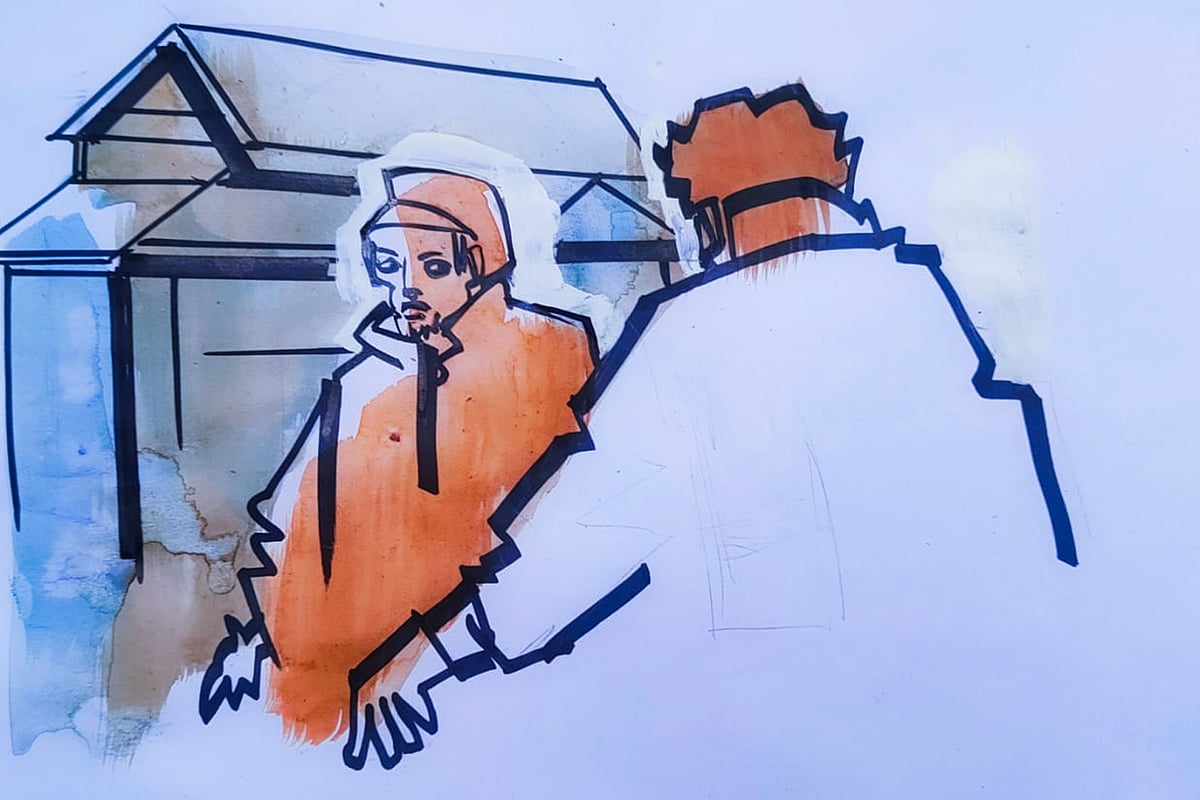
A university student named Sayem from Chittagong, Bangladesh, posed a critical question to his economics instructor about the significant price difference of vegetables between rural production areas and urban markets. Sayem, who aspires to study at Dhaka University, noted that while farmers in northern Bangladesh might sell produce like eggplants and potatoes at prices barely covering costs, the same items are sold at much higher rates, such as 70-80 Taka per kilogram for eggplants and 100-120 Taka for bitter gourds in Chittagong. The instructor, originally from northern Bangladesh, explained that transportation, storage, and marketing costs contribute to the price disparity. Sayem's follow-up question, 'What actually happens in between if the farmer sells at a low price and the consumer buys at a high price?', revealed a gap between textbook economic theory and real-world market dynamics. This exchange led to a class discussion that extended beyond the official syllabus, exploring the possibility of experimental initiatives for collecting and marketing agricultural products on a small scale. Sayem also questioned why there is such hesitation to experiment with new ideas. The instructor reflected that while some education comes from books, profound learning can also stem from a curious student's questions, emphasizing the importance of teaching students to ask questions, not just to answer them. The current situation, where both producers and consumers express dissatisfaction, suggests that the challenges within the agricultural supply chain are being perpetuated across different markets.
This narrative highlights a persistent systemic issue in agricultural markets: the disconnect between producer prices and consumer costs, leading to dissatisfaction for both. The student's inquiry serves as a powerful lens through which to examine market inefficiencies, including supply chain logistics, intermediary markups, and potentially inadequate market structures. While textbook economics offers theoretical frameworks, the real-world scenario suggests that factors beyond simple transportation costs, such as market power dynamics, information asymmetry, and regulatory oversight, may be at play. The instructor's reflection on the value of student questions underscores the need for educational approaches that foster critical thinking about societal problems. Moving forward, exploring innovative, localized solutions for agricultural aggregation and distribution could offer a path toward more equitable outcomes, though scalability and sustainability remain key considerations. The challenge lies in designing systems that can effectively bridge the gap, ensuring fair returns for farmers while maintaining affordability for consumers, a complex balancing act within the evolving economic landscape.
AI-generated to prompt reflection — not editorial opinion, not advice, not a statement of fact. How this works.