Beyond the Trophy: Defining World Cup Success Beyond Winning
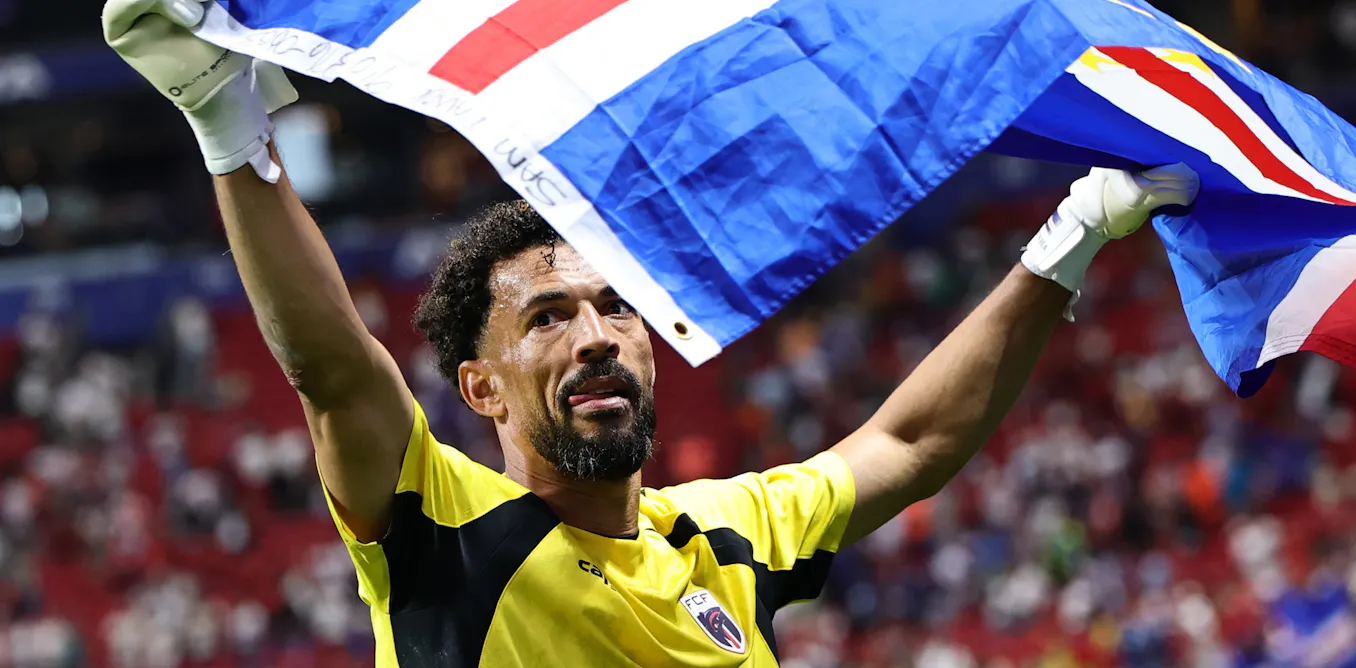
While only one nation can claim the ultimate prize of the FIFA World Cup trophy, the tournament offers significant rewards and a sense of accomplishment for many participating teams. The financial incentives alone, distributed as prize money, can be substantial enough to leave several countries feeling like victors. Beyond the direct financial gains, reaching certain stages of the competition can bring considerable prestige and satisfaction. This highlights that success in a global event like the World Cup can be multifaceted, extending beyond the singular achievement of winning the final match. The economic and reputational benefits derived from participation and progression can represent a significant win for national teams and their football federations. Therefore, the definition of being a 'winner' in the World Cup context can encompass more than just lifting the coveted trophy.
The FIFA World Cup, while culminating in a single champion, presents a complex ecosystem of success metrics. Prize money distribution and the reputational capital gained through competitive performance offer tangible benefits to multiple nations, irrespective of their final standing. This structure incentivizes broad participation and investment in football development globally. Examining the tournament through a future lens, the increasing commercialization and global reach of such events suggest that the definition of 'success' will continue to evolve, potentially incorporating broader economic impact and grassroots development alongside on-field results. This dynamic raises questions about how sporting bodies can best leverage global events to foster equitable growth and sustained engagement in sports worldwide.
AI-generated to prompt reflection — not editorial opinion, not advice, not a statement of fact. How this works.