Beyond Waste: The Hidden Costs of Improper Disposal for Businesses
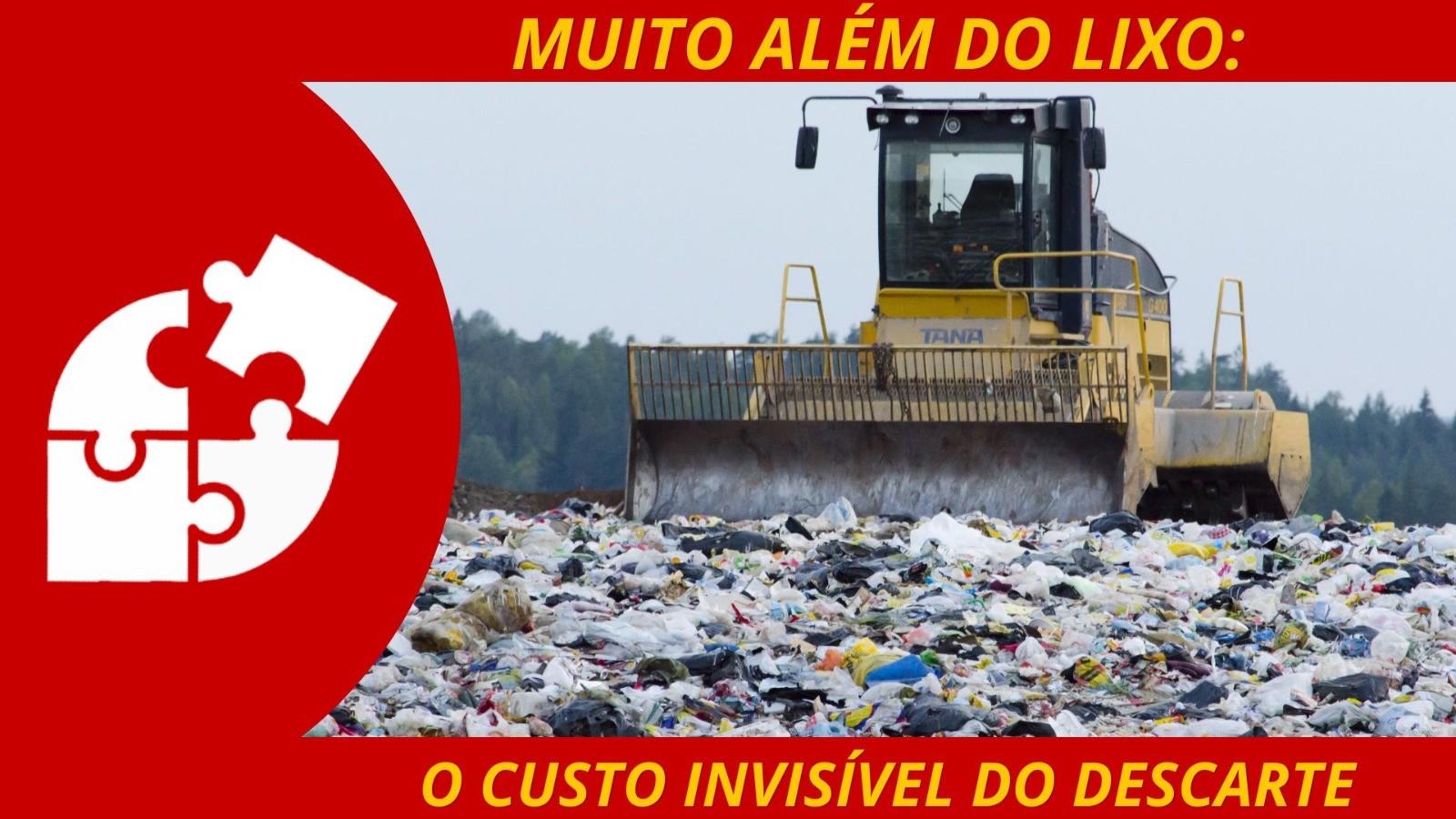
Improper disposal of materials extends far beyond visible pollution, posing significant risks to soil, water, and public health. Hazardous chemicals, electronic equipment, solvents, oils, and contaminated items from industrial and healthcare activities can contaminate groundwater, rivers, and the water table. José Claudio da Silva, chemical engineer and director at Cetes Ambiental, emphasizes that inadequate disposal can trigger environmental problems that may take years to manifest. He advises that correct disposal should be viewed not just as a legal obligation but as a fundamental environmental and social responsibility. Companies that understand their waste streams and manage them properly protect the environment, reduce risks for employees, and demonstrate a commitment to sustainability. Brazilian legislation, including ABNT NBR 12.235 for storage and ABNT NBR 13.221 for transport, outlines specific rules for potentially polluting waste. Non-compliance can lead to administrative infractions, fines, and even criminal charges for environmental damage. Investing in environmental management is increasingly seen as a strategic imperative for businesses aiming for safe, responsible, and sustainable operations, contributing to resource preservation and enhanced corporate credibility. The long-term consequences of improper disposal are often insidious, with contamination becoming apparent years or decades later, complicating remediation efforts. Materials like plastic packaging can persist for up to 450 years, aluminum cans for 200-500 years, and glass for over 4,000 years. Electronic waste and batteries are particularly hazardous, releasing heavy metals and toxic substances that harm soil, water, and biodiversity. Cetes Ambiental, with over 12 years of experience, offers comprehensive waste management services, including the documented collection, transport, and certified disposal of hazardous (Class I) and non-hazardous (Class II) waste, with full traceability.
The hidden costs of improper waste disposal highlight a systemic challenge where short-term cost savings in waste management can lead to substantial long-term environmental liabilities and reputational damage. Companies often view regulatory compliance as a burden rather than an opportunity for operational efficiency and risk mitigation. The extended decomposition times of common materials underscore the intergenerational impact of current disposal practices. From a future-oriented perspective, the increasing scrutiny on environmental, social, and governance (ESG) factors means that robust waste management is becoming a critical component of corporate resilience and market access. Businesses that proactively integrate sustainable waste strategies, beyond mere compliance, are better positioned to navigate evolving regulations, attract investment, and build trust with stakeholders in an era of heightened environmental awareness.
AI-generated to prompt reflection — not editorial opinion, not advice, not a statement of fact. How this works.