Bhopal Farmers' Protest Ends After Agreement on Mung Bean Purchases
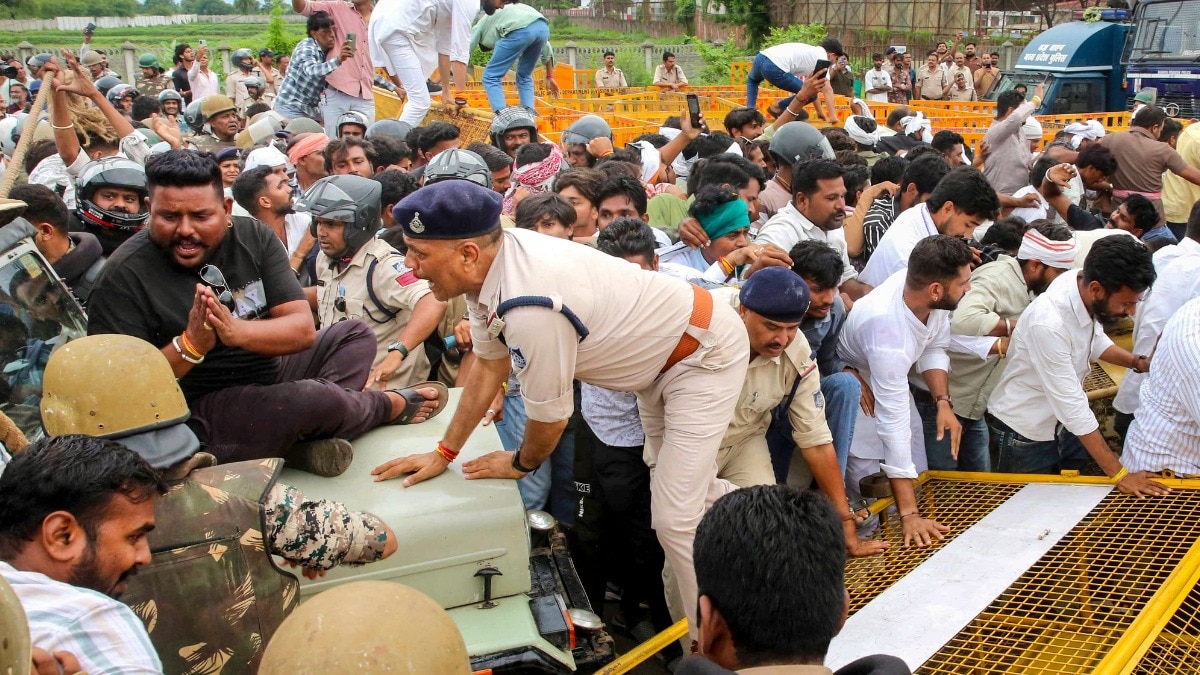
Farmers in Bhopal intensified their protest on the second day, demonstrating amidst tight security on the city's roads. Protesters breached police barricades and marched from Veer Savarkar Setu to Board Office Square. The demonstration concluded by evening following negotiations between government representatives and farmer leaders. An agreement was reached wherein the government committed to purchasing 60 percent of the mung bean crop. This accord led to the resolution of the farmers' protest.
The farmers' protest in Bhopal, marked by the breach of security barricades, highlights the persistent challenges in agricultural supply chains and price support mechanisms. The rapid resolution through negotiation, culminating in a government commitment to purchase 60% of the mung bean crop, suggests a reactive rather than proactive approach to addressing farmer grievances. This pattern, where significant disruption is required to elicit policy concessions, points to potential systemic inefficiencies in agricultural policy implementation and farmer-state communication. Looking ahead, the sustainability of such agreements will depend on the government's capacity to meet its purchase commitments and the broader economic viability of mung bean cultivation under prevailing market conditions. Future strategies might benefit from more robust mechanisms for ongoing dialogue and pre-emptive policy adjustments to mitigate the need for disruptive protests.
AI-generated to prompt reflection — not editorial opinion, not advice, not a statement of fact. How this works.