Bhopal Gas Tragedy Victims' Settlements Face Contaminated Water Crisis
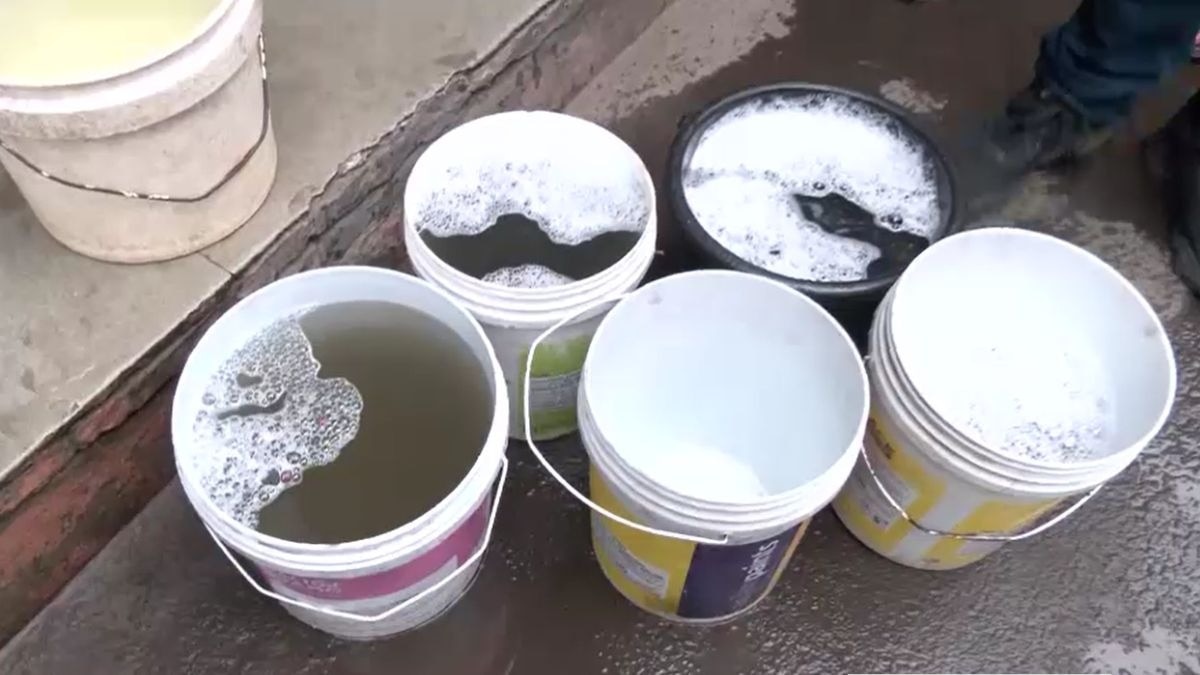
Victim organizations from the Bhopal Gas Tragedy have raised serious concerns regarding the water quality in settlements surrounding the former Union Carbide factory. They claim that out of 63 water samples collected, a staggering 43, or approximately 70%, tested positive for fecal coliform bacteria. This contamination poses a significant health risk to the residents living in these areas, many of whom are survivors of the devastating 1984 gas leak. The organizations have also questioned the compliance with previous orders issued by the Supreme Court of India concerning the welfare and environmental remediation for the affected communities. The presence of fecal coliform indicates potential sewage contamination, suggesting a failure in sanitation infrastructure or water supply management. This situation highlights ongoing challenges faced by the Bhopal gas victims, decades after the industrial disaster. The findings are expected to trigger further legal scrutiny and demands for immediate corrective actions from the authorities.
The reported contamination of water sources with fecal coliform in settlements around the Bhopal Gas Tragedy site raises critical questions about ongoing environmental stewardship and public health infrastructure. Decades after the initial disaster, the persistence of such contamination suggests systemic failures in maintaining safe living conditions for affected populations. This situation underscores the long-term consequences of industrial accidents and the challenges in ensuring adequate remediation and ongoing public health support. The findings necessitate a review of regulatory oversight and enforcement mechanisms to prevent future environmental and health crises, particularly in communities historically impacted by industrial negligence. Future efforts should focus on sustainable infrastructure development and robust monitoring systems to safeguard public well-being.
AI-generated to prompt reflection — not editorial opinion, not advice, not a statement of fact. How this works.