Bhuji Disaster Survivors Still Without Homes Six Years Later
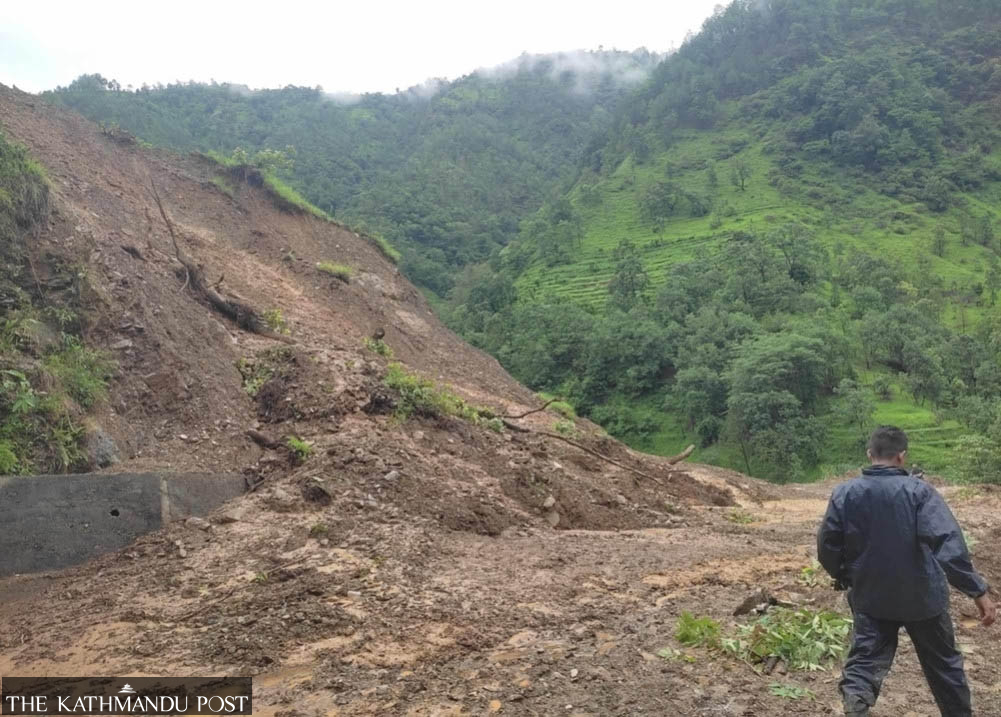
Six years after the Bhuji disaster, many survivors are still awaiting permanent housing and safety measures. As the monsoon season approaches, fears of further disasters are resurfacing due to the lack of restored infrastructure and the failure of authorities to relocate settlements situated in high-risk zones. Families continue to live without adequate shelter, highlighting ongoing challenges in disaster recovery and risk management. The delay in providing permanent housing and restoring damaged infrastructure leaves these communities vulnerable to future events. Authorities have not yet addressed the critical need to move settlements from areas prone to landslides or flooding. This situation underscores a significant gap in preparedness and response efforts, leaving affected populations in a precarious state.
The prolonged displacement and lack of permanent housing for Bhuji disaster survivors six years post-event indicate systemic challenges in disaster recovery and urban planning. The failure to relocate settlements from high-risk areas, coupled with unaddressed infrastructure damage, suggests a disconnect between risk assessment and effective mitigation strategies. This situation highlights potential governance gaps in prioritizing community safety and resource allocation for long-term resilience. As climate change intensifies, such vulnerabilities in disaster-prone regions may become more pronounced, necessitating a review of policy frameworks to ensure timely and adequate support for affected populations and proactive risk reduction measures.
AI-generated to prompt reflection — not editorial opinion, not advice, not a statement of fact. How this works.