Bhutan Rejects India's E20 Petrol Offer, Citing Infrastructure and Climate Concerns
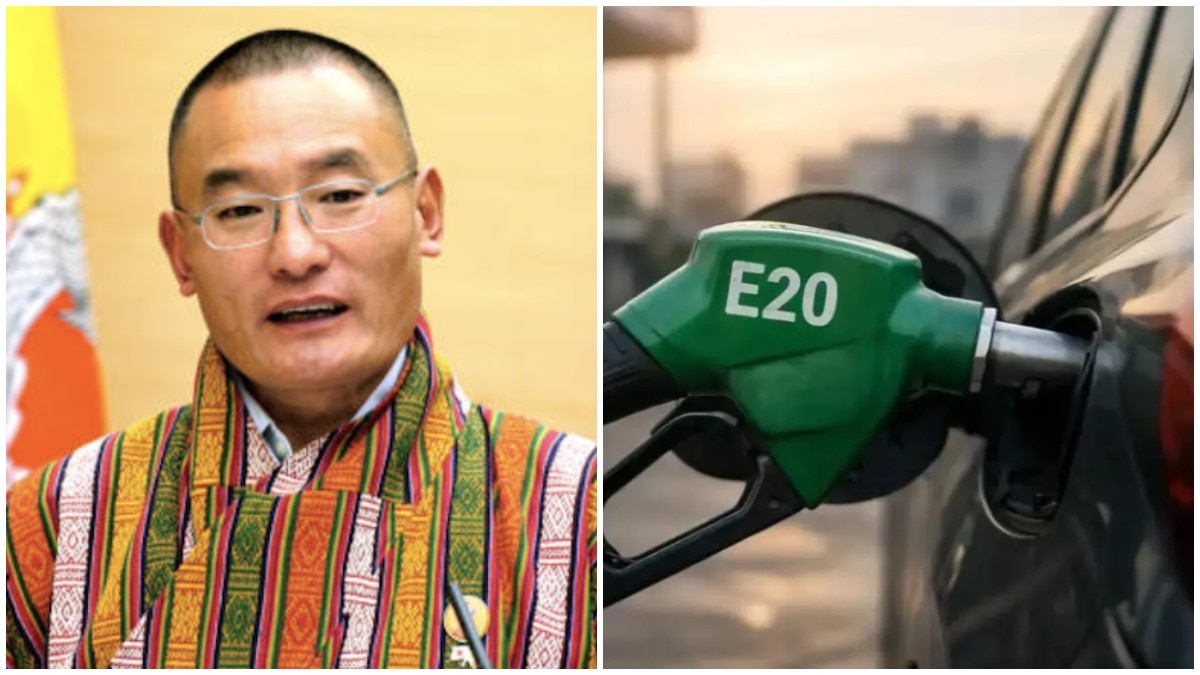
Bhutan has declined an offer from Indian oil companies to supply E20 petrol, a blend of 20% ethanol with gasoline. This decision comes amidst ongoing discussions and controversies surrounding E20 fuel within India. The Royal Government of Bhutan cited specific reasons for its refusal, primarily related to its existing infrastructure and environmental conditions. Bhutan's underground fuel storage tanks are reportedly not designed to handle the E20 blend. Furthermore, the country's challenging mountainous terrain and its climate, characterized by high humidity, were deemed unsuitable for the widespread use of E20 petrol. These factors collectively led to Bhutan's decision to reject the Indian fuel offer, prioritizing the integrity of its storage systems and environmental compatibility.
Bhutan's rejection of India's E20 petrol offer highlights the complex interplay between national infrastructure, environmental conditions, and the adoption of new fuel standards. While E20 aims to reduce carbon emissions and reliance on fossil fuels, its implementation requires careful consideration of existing storage and distribution networks, as well as climatic factors that can affect fuel stability. Bhutan's decision underscores the need for tailored approaches to energy transitions, recognizing that a one-size-fits-all strategy may not be globally applicable. This situation prompts reflection on the long-term strategic planning required for energy infrastructure upgrades and the potential for regional cooperation to address shared environmental and energy security challenges.
AI-generated to prompt reflection — not editorial opinion, not advice, not a statement of fact. How this works.