Biblical Theory Predicting World's End Was Banned from Sacred Texts
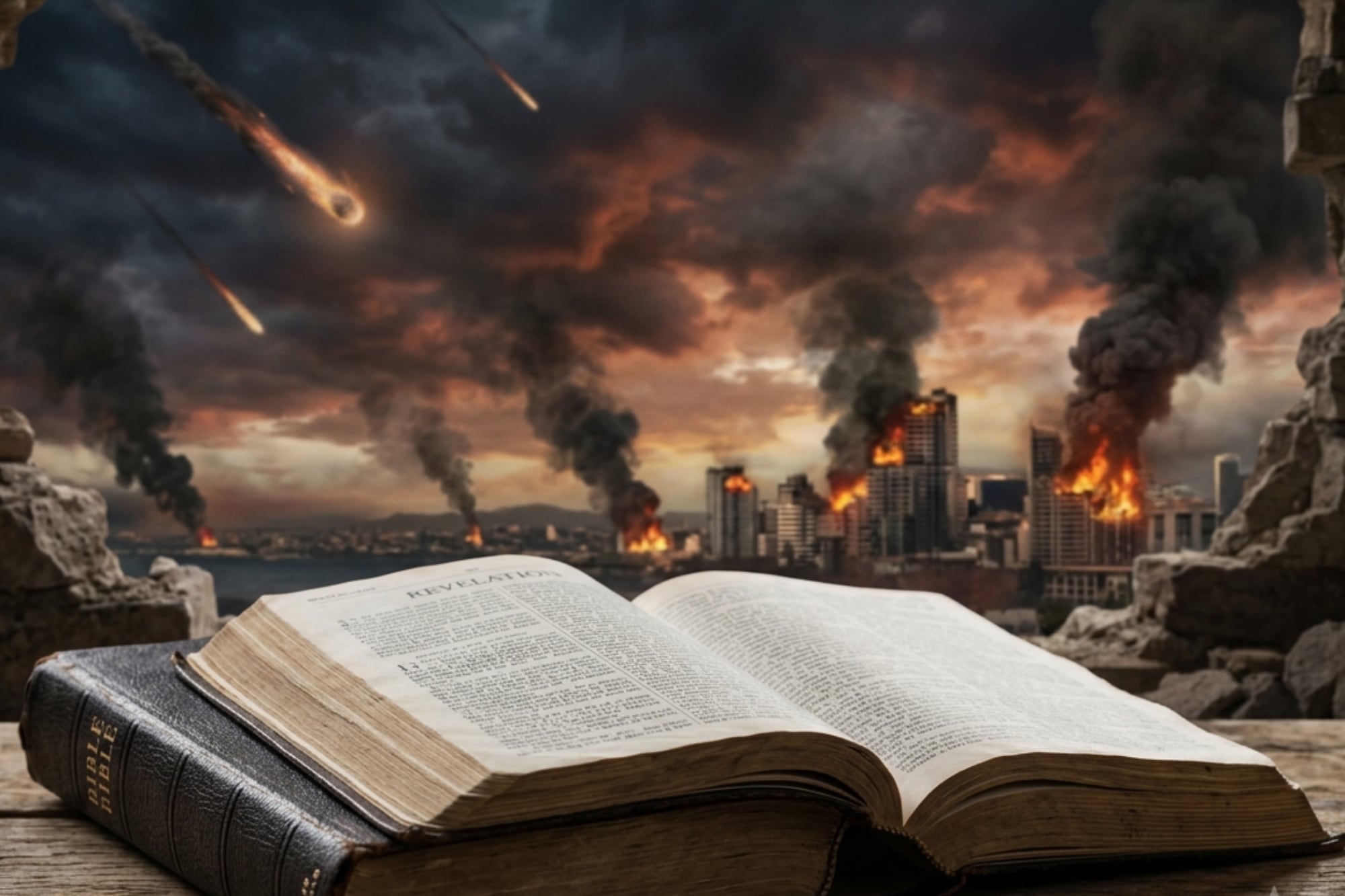
Scholars of the Old Testament proposed a theory suggesting a hidden prison containing a secret that Catholicism chose to conceal for millennia. This theory, which purportedly foretold the end of the world, was subsequently prohibited from inclusion in sacred scriptures. The exact nature of this secret and the reasons for its suppression remain subjects of scholarly debate. The decision to ban the theory reflects a historical pattern of controlling narratives within religious institutions. The implications of such censorship on theological understanding and historical interpretation are significant. This event highlights the power dynamics involved in canonizing religious texts. The exclusion of this particular theory raises questions about what other knowledge might have been deliberately omitted from religious doctrines over time.
The historical exclusion of specific theological theories from religious canons often reflects institutional efforts to maintain doctrinal coherence and control over societal interpretations of faith. Such decisions, while potentially aimed at preventing perceived heresy or societal disruption, can also lead to the loss of diverse perspectives and historical insights. Examining the motivations behind these exclusions, such as the fear of predicting the world's end, reveals the tension between theological speculation and established religious authority. Understanding these past instances of censorship can offer valuable lessons for navigating the dissemination of information and the evolution of belief systems in the modern era, particularly in an age where information access is increasingly democratized.
AI-generated to prompt reflection — not editorial opinion, not advice, not a statement of fact. How this works.