Óbidos Quilombola Community Represents Brazil in International Amazonian Food Project
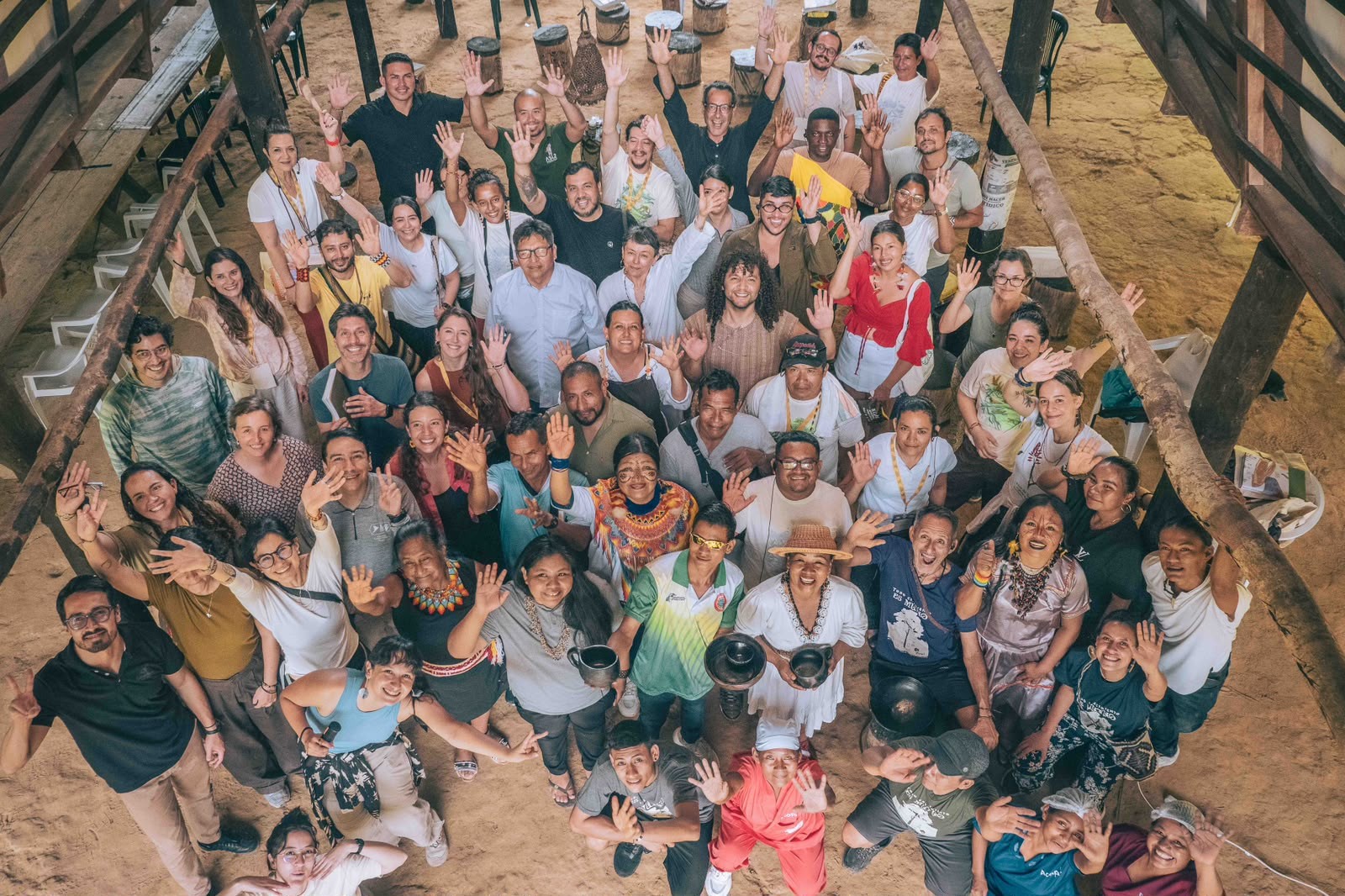
The Quilombola Community of Arapucu, located in Óbidos, Pará, was Brazil's sole quilombola representative in the international "Atlas of Amazonian Food" project. This initiative brings together traditional communities from seven Amazonian countries to document and celebrate knowledge related to food, culture, and forest conservation. The project officially launched a book in Letícia, Colombia, on July 6-10, featuring the experiences of participating communities. Quilombola leader Davi Ferreira da Silva attended the launch, highlighting the community's involvement from the book's conception through workshops and now its official release. The Association of Remnants of the Quilombo of Arapucu (Arquica) views participation as a significant recognition of quilombola history and culture, emphasizing the exchange of knowledge and the pride in having their journey documented in a book translated into three languages. The "Atlas of Amazonian Food" was a collaborative effort involving 14 traditional communities across seven Amazonian nations. It records contemporary and traditional dietary practices, illustrating how Amazonian peoples cultivate, prepare food, and maintain their territories and ways of life. Beyond the book, the project aims to develop educational materials, audiovisual, and audio content for participating communities to bolster discussions on food sovereignty, biocultural diversity, and Amazon conservation. This project is part of the Sustainable Landscapes Program for the Amazon (ASL), funded by the Global Environment Facility (GEF) and managed by the World Bank.
The "Atlas of Amazonian Food" project highlights the critical role of traditional communities in preserving biocultural diversity and food sovereignty within the Amazon basin. By documenting indigenous and quilombola food practices, the initiative seeks to counter homogenization and underscore the value of local knowledge in conservation efforts. The project's integration with the Sustainable Landscapes Program, funded by the GEF and World Bank, suggests a systemic approach to linking environmental stewardship with cultural heritage. However, the long-term impact will depend on how effectively these documented practices are translated into actionable policies that support community-led conservation and ensure equitable benefit-sharing, especially as external economic pressures on the Amazon continue to mount.
AI-generated to prompt reflection — not editorial opinion, not advice, not a statement of fact. How this works.