Bihar to Audit Temples and Monasteries Every Quarter Following Ayodhya Donation Dispute
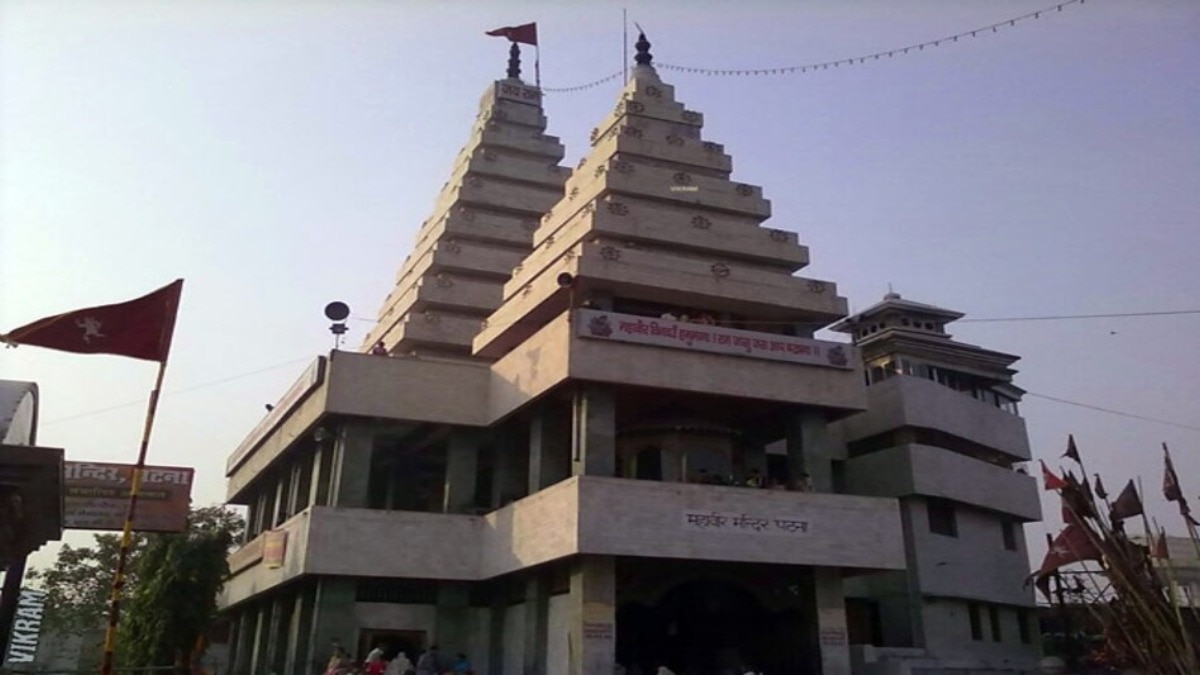
Following a dispute over donations at the Ayodhya Ram Mandir, the Bihar State Religious Trust Council has implemented a significant new policy. The council has decided that approximately 4,500 temples and monasteries under its purview will now undergo audits of their accounts every three months. This measure aims to enhance transparency and accountability in the financial dealings of religious institutions within the state. The decision reflects a proactive approach to prevent potential financial irregularities and ensure proper management of funds. The council's directive signifies a shift towards more stringent financial oversight for religious trusts in Bihar. This quarterly review process is expected to provide regular insights into the financial health and operational practices of these institutions. The move is seen as a direct response to concerns raised by the Ayodhya incident, highlighting the need for robust financial controls in religious organizations.
The Bihar State Religious Trust Council's decision to implement quarterly financial audits for its affiliated temples and monasteries appears to be a systemic response to perceived governance challenges. By introducing regular financial scrutiny, the council aims to mitigate risks associated with fund management and enhance public trust, drawing lessons from the public discourse surrounding donation transparency in Ayodhya. This proactive governance measure could set a precedent for other states, potentially influencing broader trends in the regulation of religious institutions. The long-term impact will depend on the audit's rigor and the council's capacity to act on findings, fostering a more accountable financial ecosystem for religious trusts in the digital age.
AI-generated to prompt reflection — not editorial opinion, not advice, not a statement of fact. How this works.