Bilawal Bhutto-Zardari Rejects Nawaz Sharif's Jibe on Kashmir's Rights
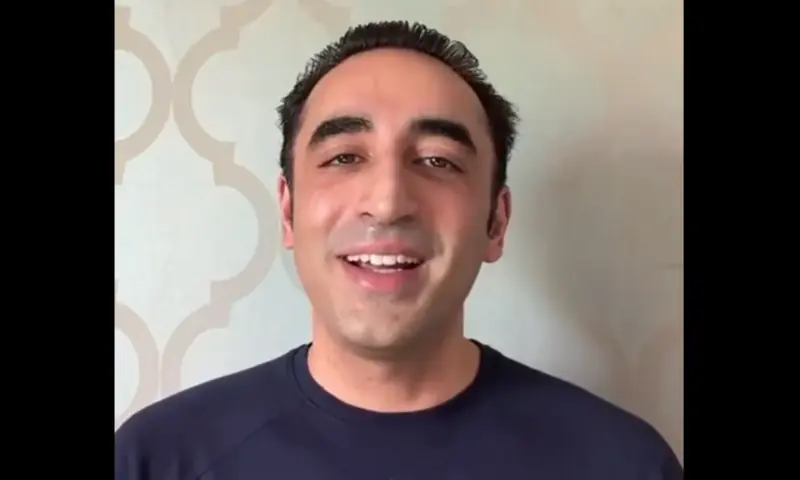
Pakistan Peoples Party (PPP) Chairman Bilawal Bhutto-Zardari has responded to a recent statement by PML-N leader Nawaz Sharif, asserting that the people of Azad Jammu and Kashmir (AJK) will not "bargain away their rights." Sharif had drawn a parallel between Kashmir and districts in Sindh where the PPP holds influence, suggesting a difference in political identity. Bhutto-Zardari countered this during a rally in Mirpur, AJK, stating that the people of both regions share a common spirit and a determination to protect their rights and self-governance. He emphasized that residents of Kashmir and Kashmore, Mirpur and Mirpurkhas, are not willing to cede control over their future to any other city or province. Bhutto-Zardari predicted a repeat of past election outcomes where the PML-N was rejected in Sindh, anticipating a PPP victory in the upcoming AJK elections, particularly in Mirpur. He also criticized the PML-N's pre-election "gifts" of e-buses and mobile hospitals to Muzaffarabad, arguing that public resources are a right, not a political handout. In contrast, he highlighted the PPP government's contributions to AJK's budget, including new teachers, a cardiac hospital, IT centers, and infrastructure projects like the Mirpur Airport and a stadium, which he stated were secured during the PPP's tenure. Bhutto-Zardari reiterated his commitment to securing governance, ownership, and employment rights for the people of Kashmir, aligning them with the rights of all Pakistani citizens, thereby eliminating the need for such electoral "gifts."
This exchange highlights the strategic use of regional identity and historical political narratives in electoral campaigns, particularly in the context of the upcoming Azad Jammu and Kashmir (AJK) elections. The framing of public services as "gifts" versus "rights" reflects a broader debate on governance and resource allocation. By emphasizing "rights to governance and ownership," Bilawal Bhutto-Zardari is tapping into aspirations for greater autonomy and self-determination, positioning the PPP as a champion of these ideals against what he portrays as the PML-N's paternalistic approach. The underlying dynamic involves competing claims over political legitimacy and the distribution of development benefits, with each party seeking to mobilize voters by leveraging past achievements and future promises. The electoral landscape appears to be shaped by a contest between established political forces, each employing distinct messaging to secure electoral advantage and influence public perception regarding their commitment to the region's development and political future.
AI-generated to prompt reflection — not editorial opinion, not advice, not a statement of fact. How this works.