Bill Proposes Structural Changes to Employee Provident Fund, Savers to Receive Only Loans
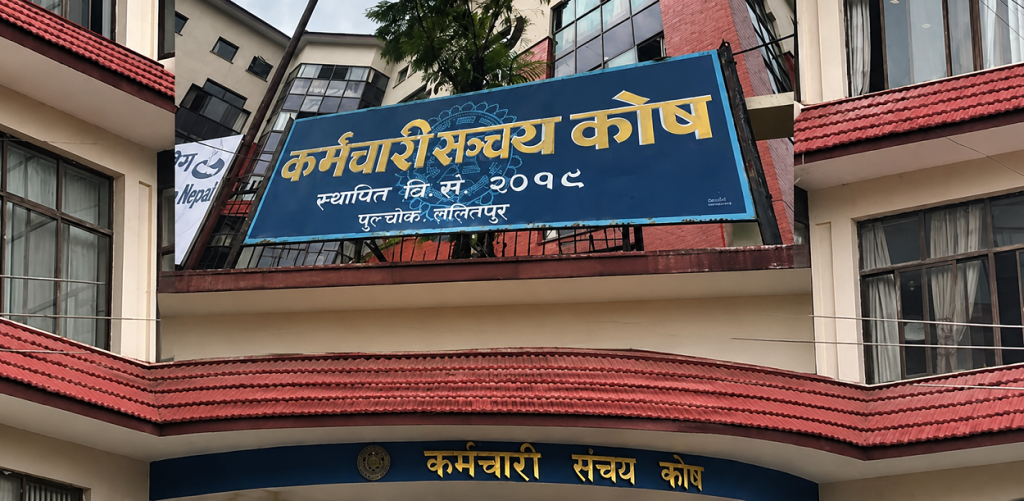
The Nepali government has proposed significant structural changes to the Employees' Provident Fund (EPF). A bill to amend the Employees' Provident Fund Act of 2019 has been registered in the House of Representatives by the Ministry of Finance. The proposed amendments aim to alter the composition of the EPF's board of directors and expand its investment areas. A key change outlined in the bill is that savers will exclusively receive loans from the fund. This marks a departure from previous practices, potentially altering the financial landscape for government employees.
The proposed legislative changes to the Employees' Provident Fund reflect a government's effort to reform financial institutions and potentially enhance their operational efficiency or redirect capital. By restructuring the board and altering the primary benefit for savers to loans, the government may be seeking to stimulate specific economic activities or manage liquidity differently. This move could have implications for long-term savings behavior and the overall financial security of public employees, prompting consideration of alternative savings vehicles and the fund's role in national development over the next decade.
AI-generated to prompt reflection — not editorial opinion, not advice, not a statement of fact. How this works.